Whiskymine
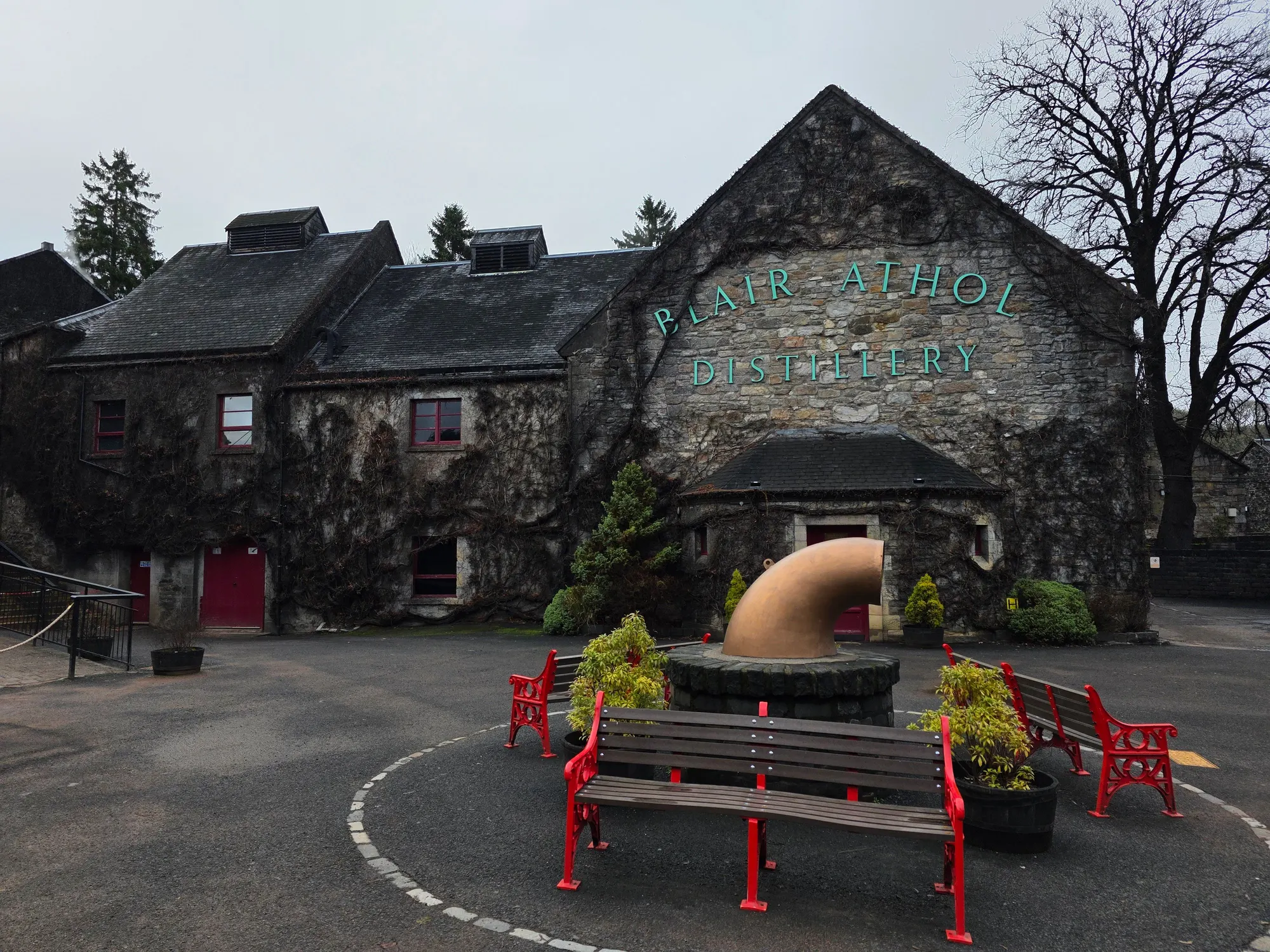
The ivy-clad face of Blair Athol, Pitlochry

Whisky Trips

Lowlands & Pitlochry 2026

Three days between Perthshire and Fife: Scotland's oldest working distillery, its highest, and the abbey where whisky's written history began.

24 – 26 February 20267 distilleries

Think of Scotch whisky and you quickly think of Speyside or Islay. The southern Highlands and the Lowlands are often driven straight through on the way north — wrongly so, because barely an hour and a half from Edinburgh lies a whisky country no enthusiast should underestimate. These three days explored the edges of the whisky map: from Perthshire in the southern Highlands to the rolling Fife countryside in the Lowlands. A trip of extremes — Scotland's oldest working distillery, one of its highest, and the abbey where whisky first appeared by name in the written record.

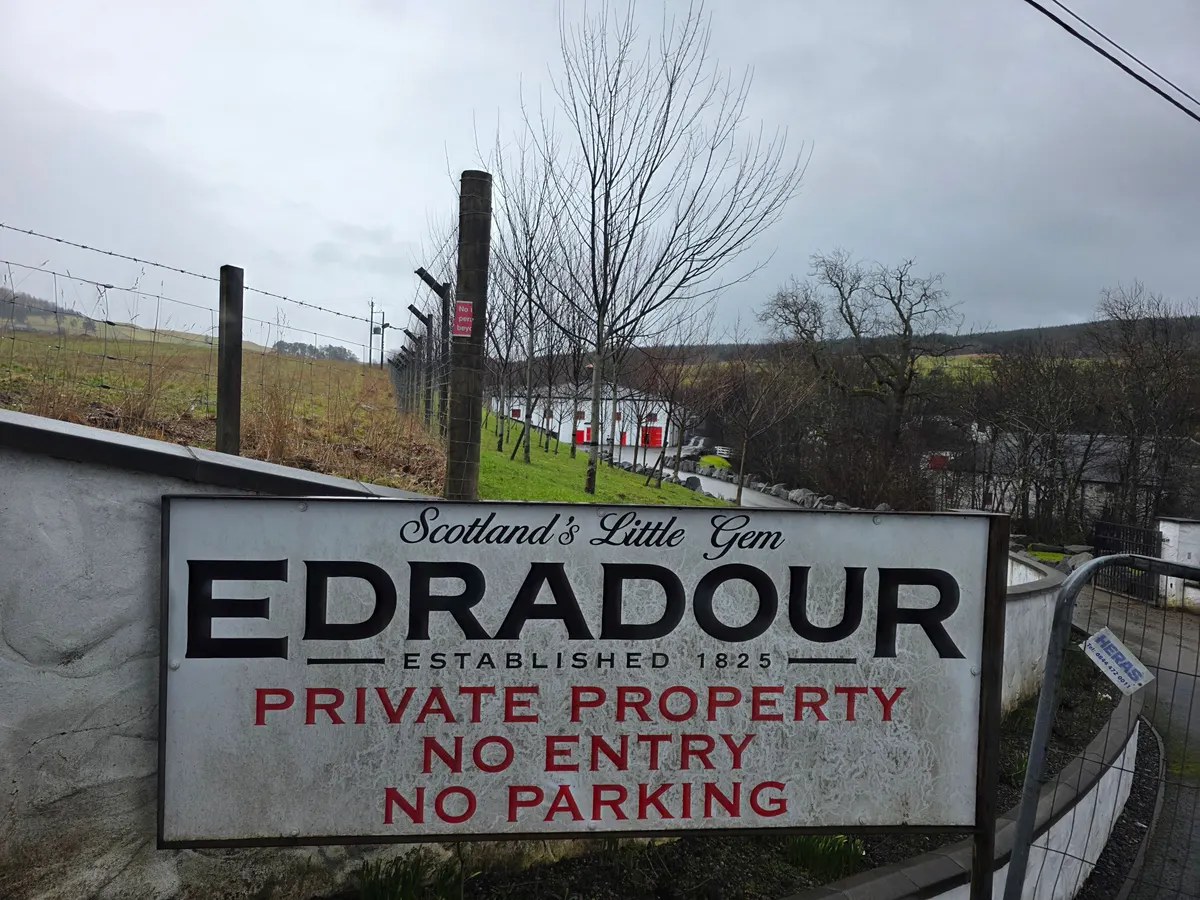
Our base was Pitlochry, the Victorian holiday town on the River Tummel and home to two well-known distilleries. On the edge of the centre stands Blair Athol, the beating heart of Bell's since 1798; a few kilometres further up, in the hills, lies Edradour, the whitewashed 'Little Gem' long counted as Scotland's smallest distillery. Edradour recently closed its visitor centre for good: tours and tastings are no longer possible, and the buildings can only be admired from the outside.

Perthshire likes to call itself 'Big Tree Country', with good reason: the roads wind between ancient woods, rivers and bare winter hills — with a distillery tucked into a fold of the landscape at every turn.

The route

The route as we drove it, reconstructed from our photos.

NDalwhinniePitlochryEdradourBlair AtholAberfeldyThe GlenturretLindores AbbeyDaftmill
DistillerySightBaseSchematic representation — distances are indicative.
  1. 24 February 2026Day 1 — The Glenturret & Blair Athol
  2. 25 February 2026Day 2 — Dalwhinnie & Dewar's Aberfeldy
  3. 26 February 2026Day 3 — Lindores Abbey and a glimpse of Daftmill

Day by day

The route as we drove it, reconstructed from our photos.

24 February 2026

Day 1 — The Glenturret & Blair Athol

11:15

Scotland's oldest

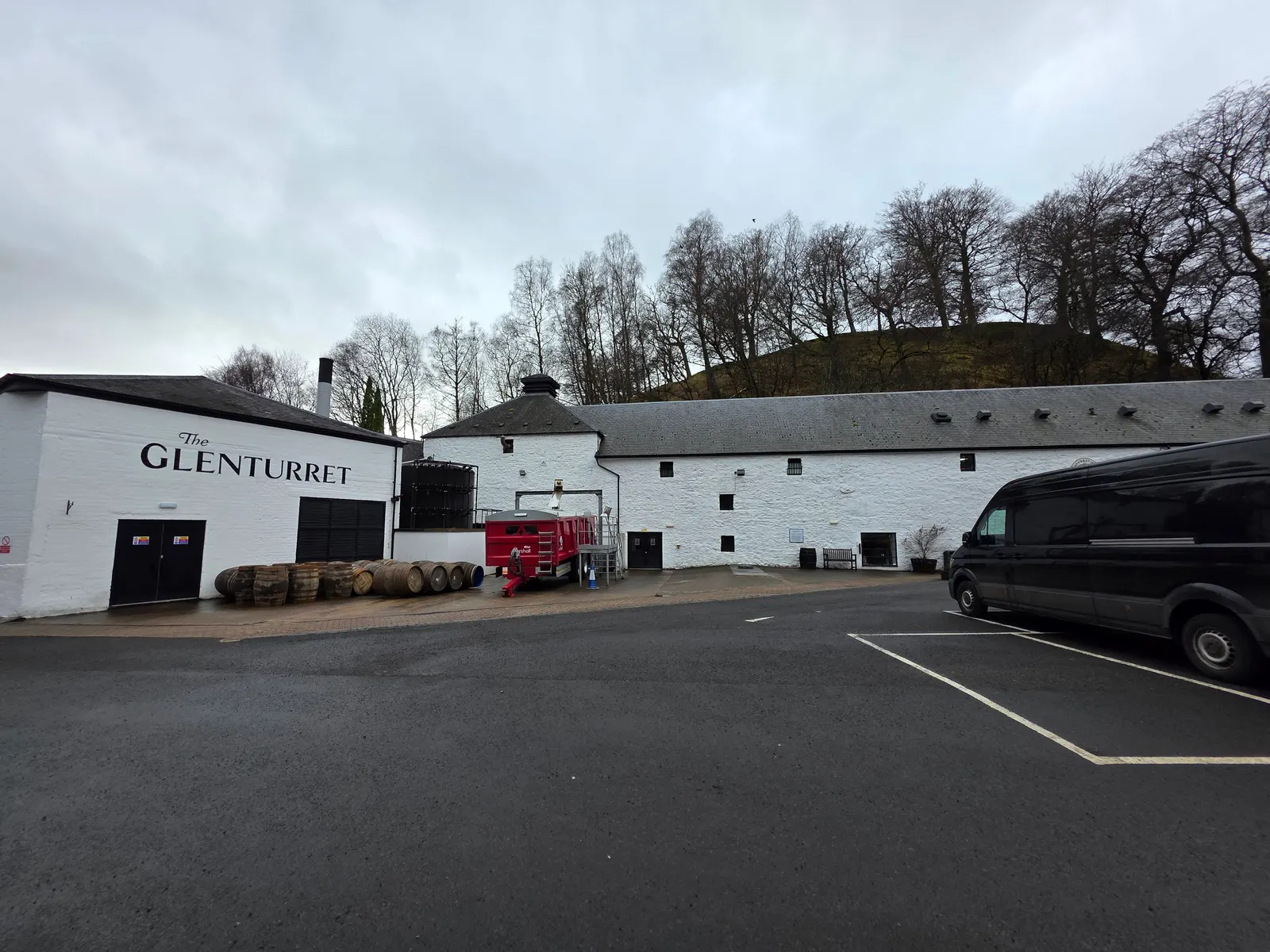
First stop: The Glenturret near Crieff, which — on the strength of a 1763 licence — calls itself Scotland's oldest working distillery. The setting alone is worth the trip: the white buildings sit deep in the glen, right beside the babbling Turret, in the shade of tall, ancient trees. What sets it apart today is its owner. Since 2019 it has belonged to the Lalique Group, the house behind René Lalique's French crystal, together with the Swiss investor Hansjörg Wyss. The result is a rare pairing: a centuries-old distillery that still works by hand — the mash is stirred manually — alongside its own restaurant that Michelin was quick to recognise, and its oldest bottlings presented in Lalique crystal.
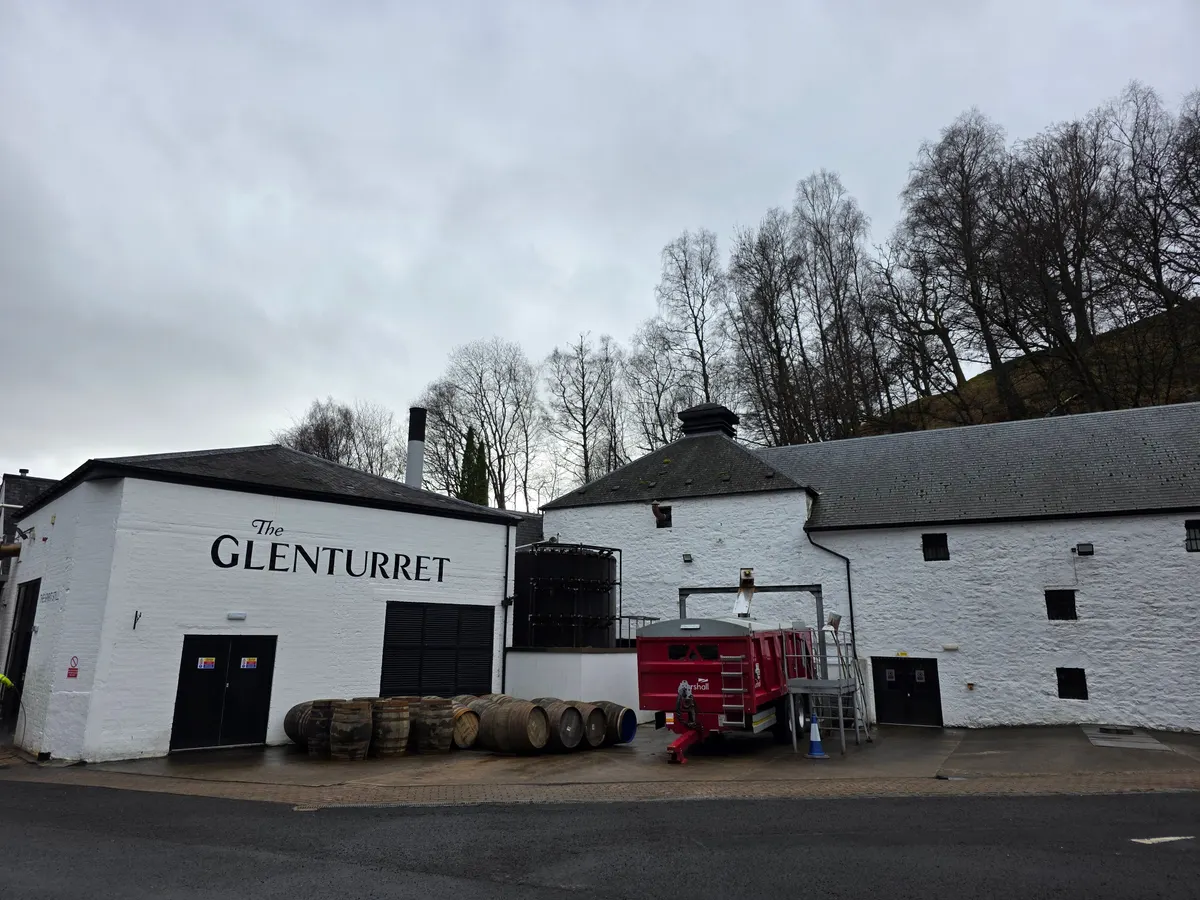
The whitewashed buildings of The Glenturret, Crieff

12:20

Stills and a tasting

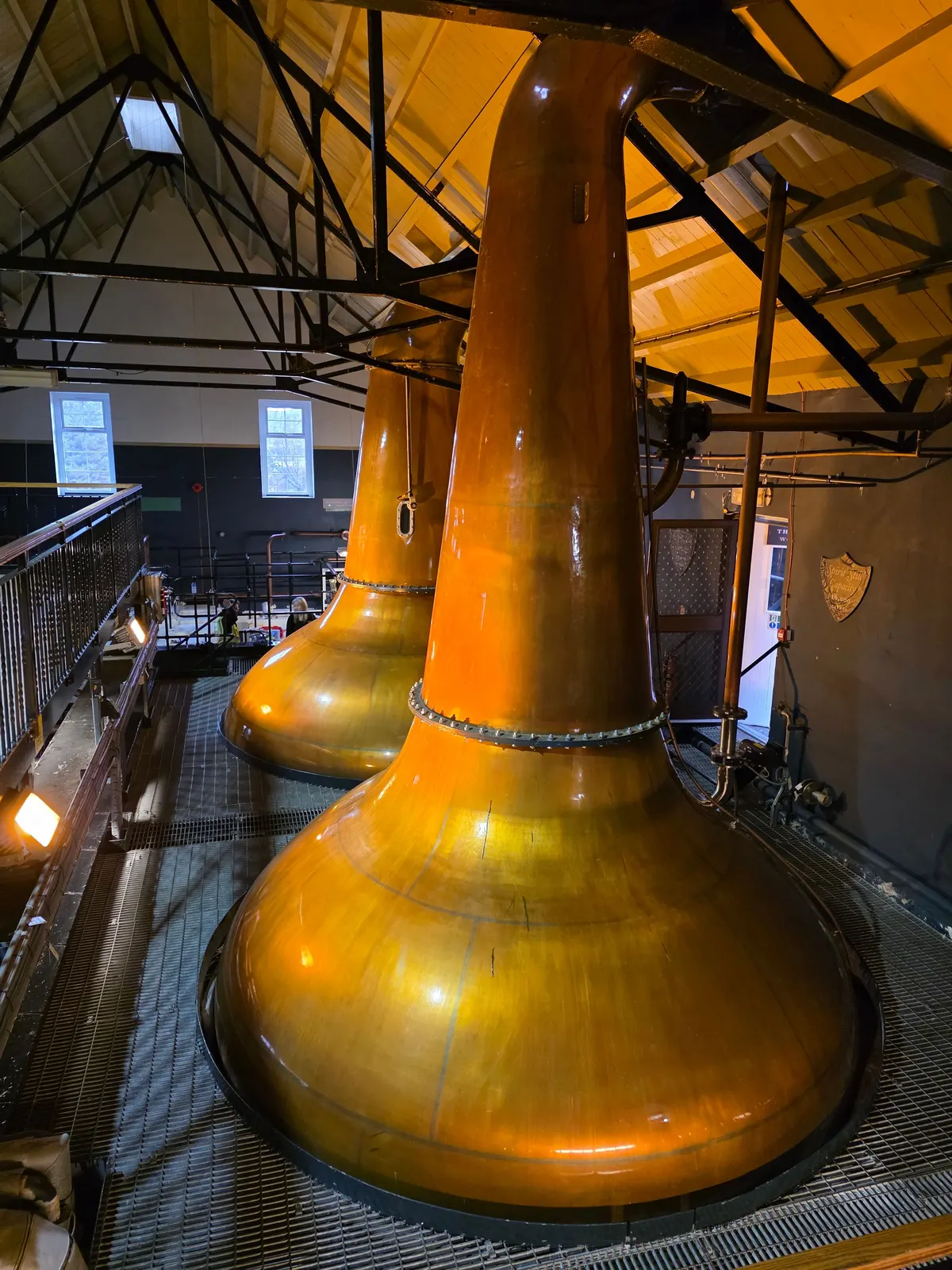
Past the two squat stills to the tasting room. In the shop the Lalique link shows at once: crystal beside the bottles, and a 25-year-old under glass.
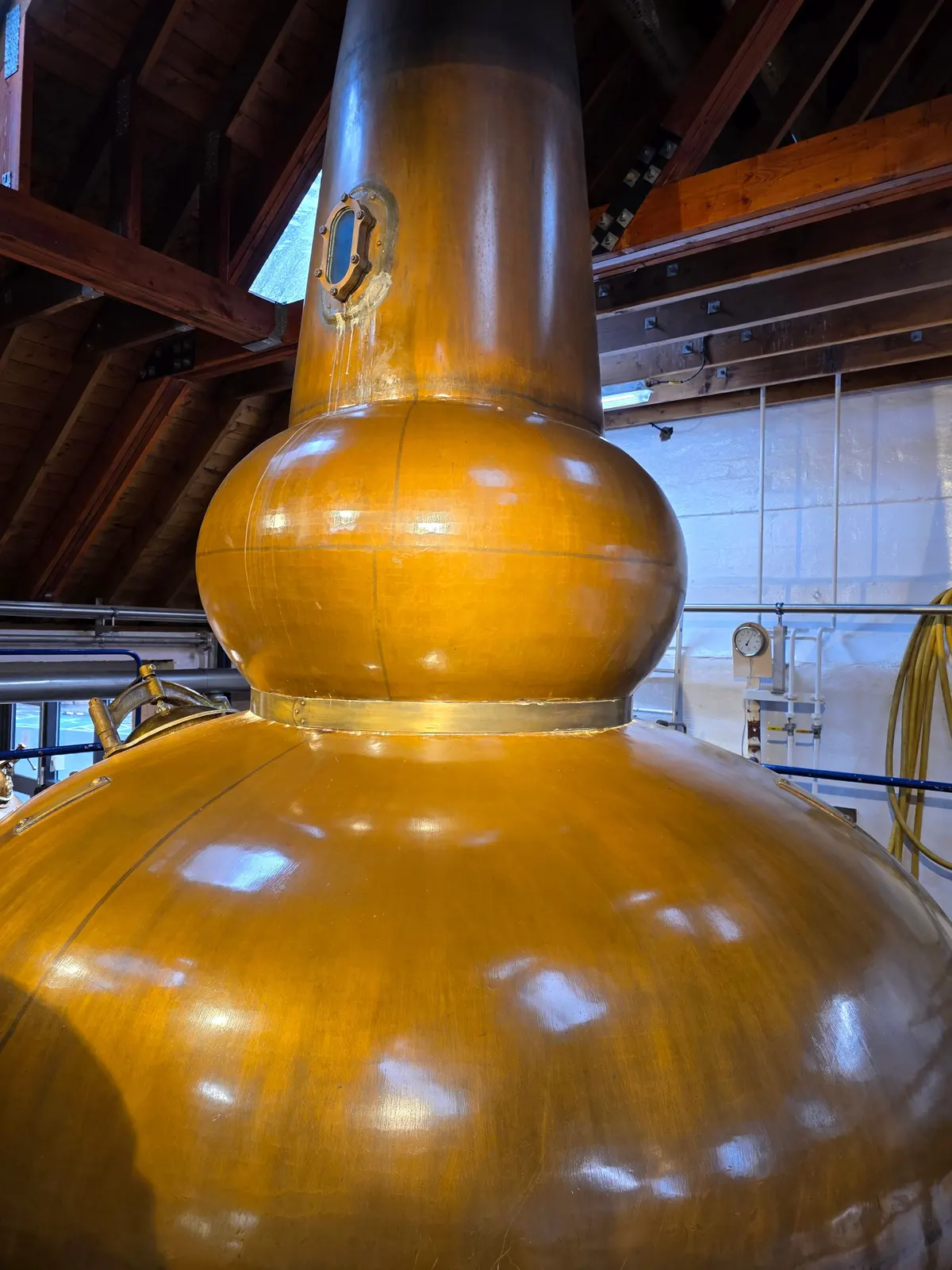
The stills at The Glenturret
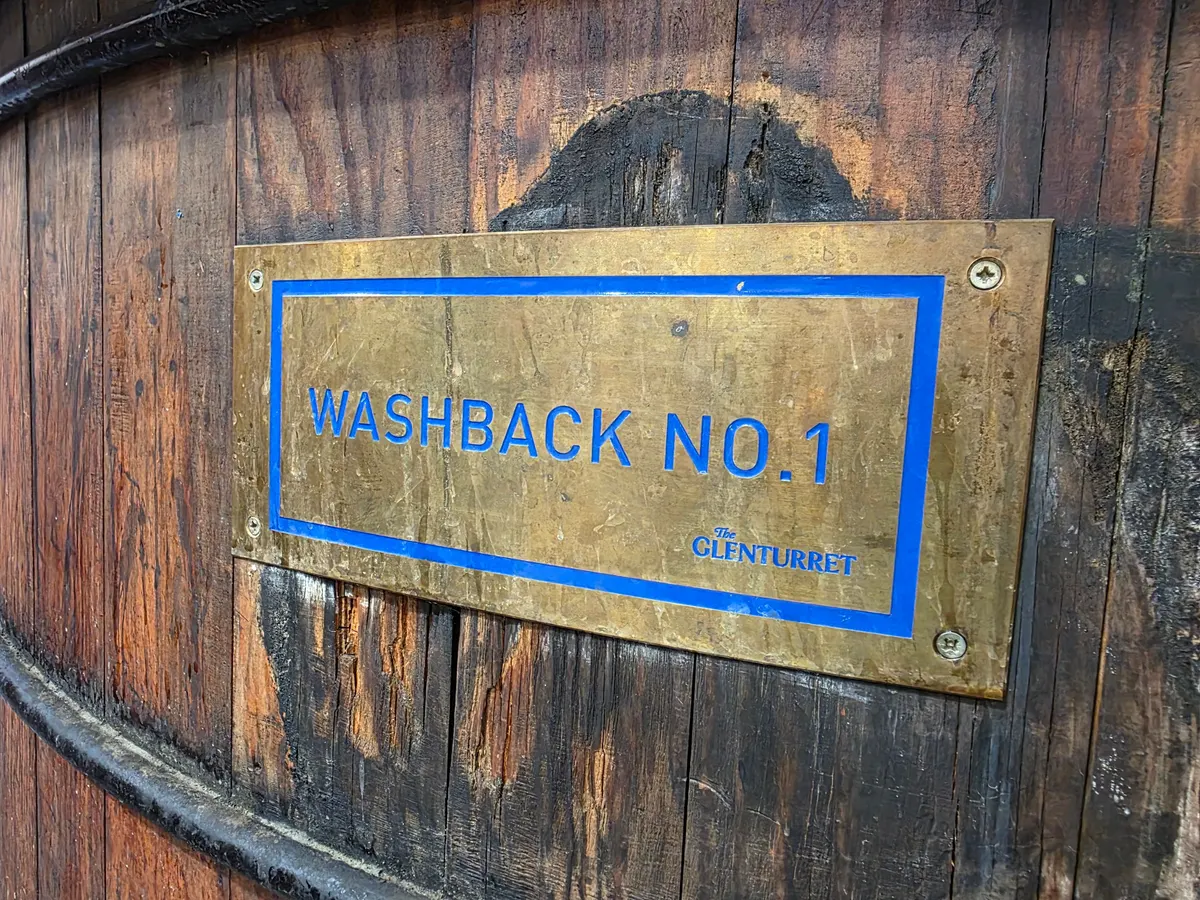
Washback No. 1 at The Glenturret

14:25

Blair Athol, Pitlochry

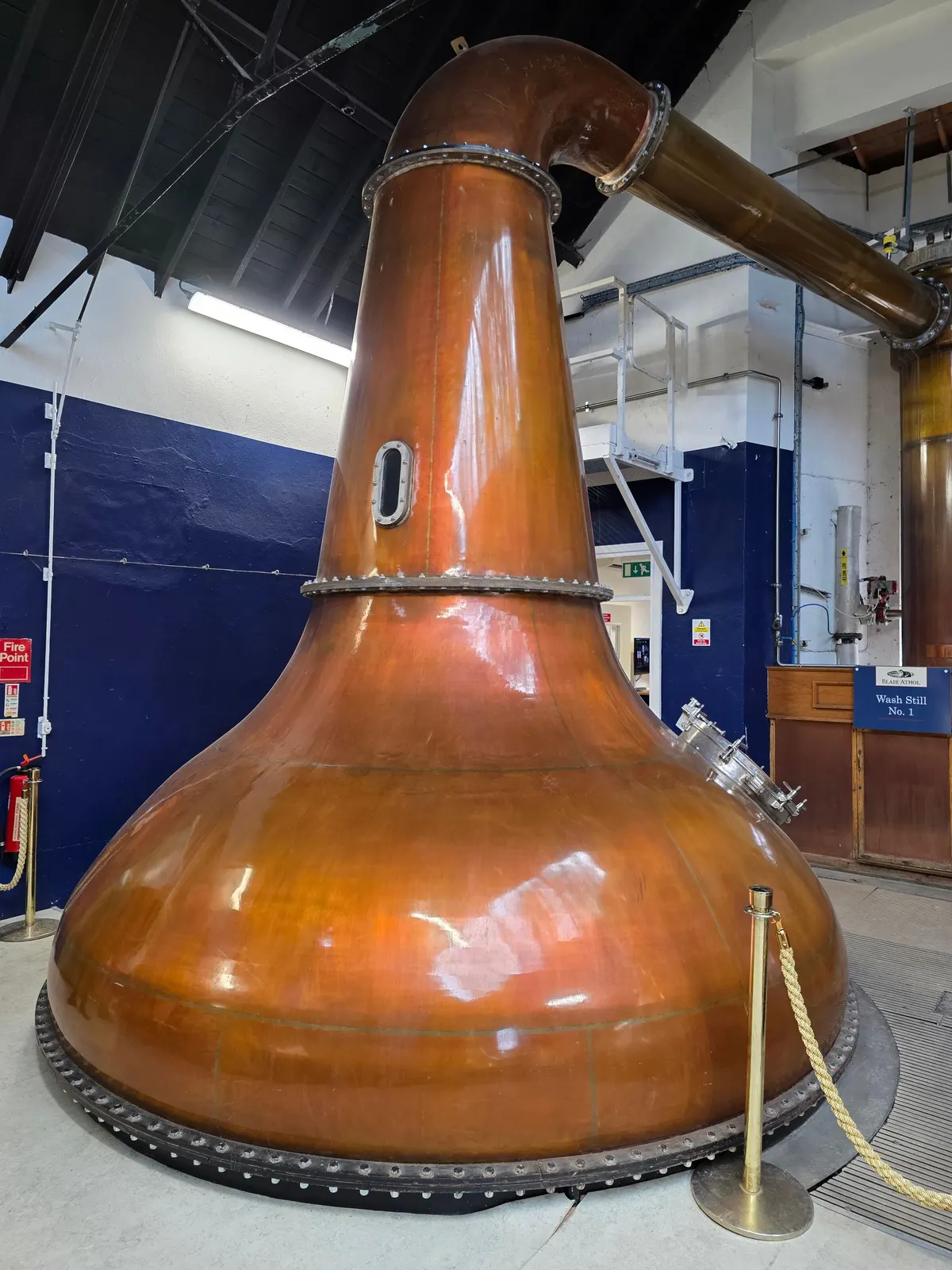
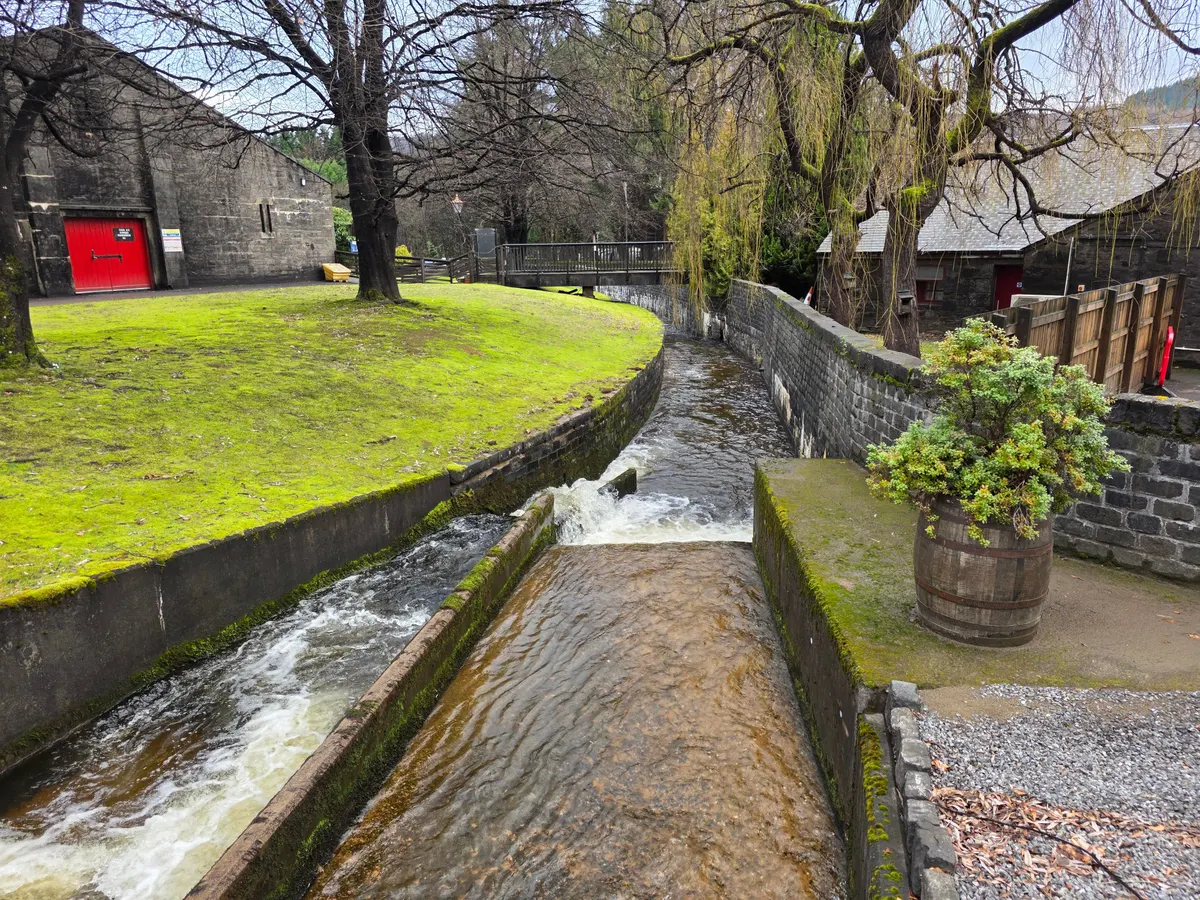
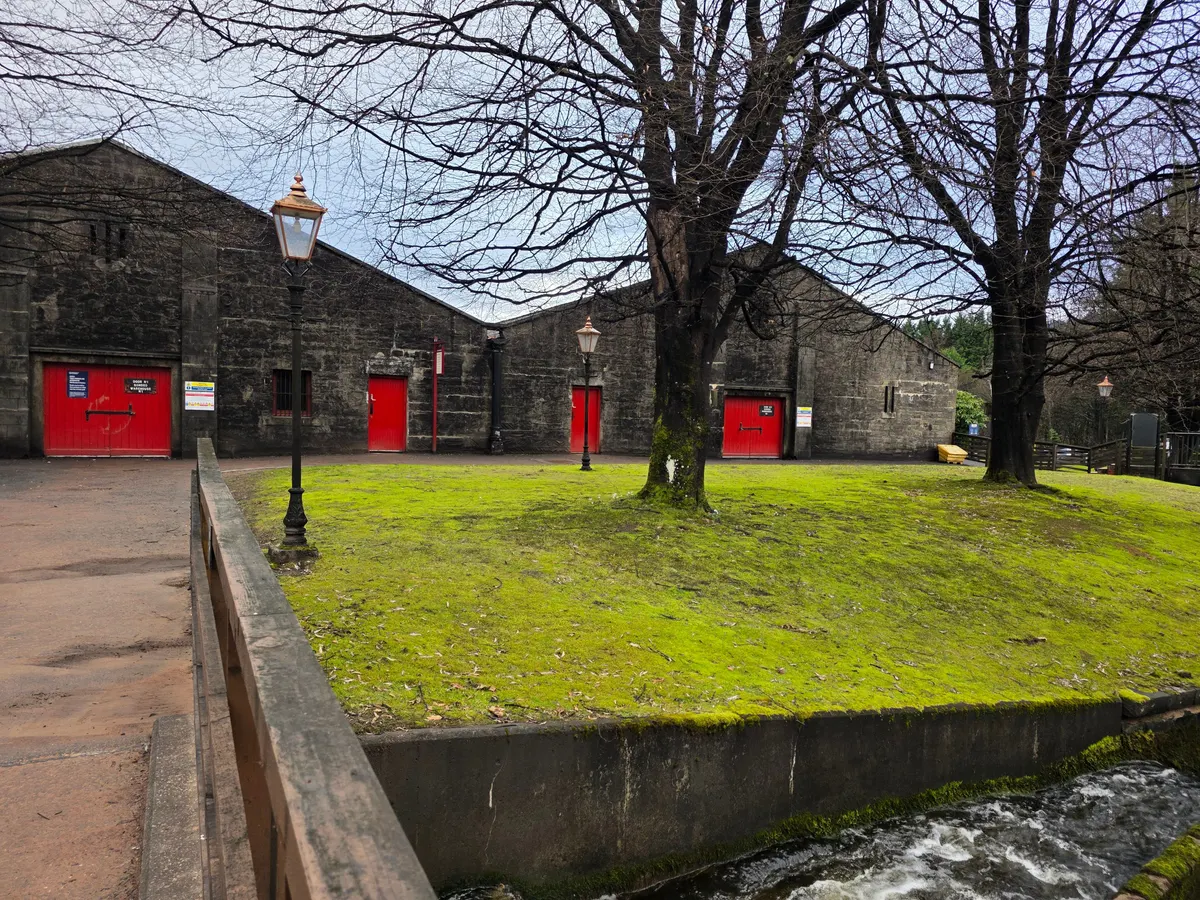
On the edge of Pitlochry stands Blair Athol, its completely ivy-clad walls making it perhaps Scotland's most photogenic distillery. Inside: deep-blue walls around gleaming copper, the Allt Dour burn running straight through the site, and warehouse doors in that typical red.
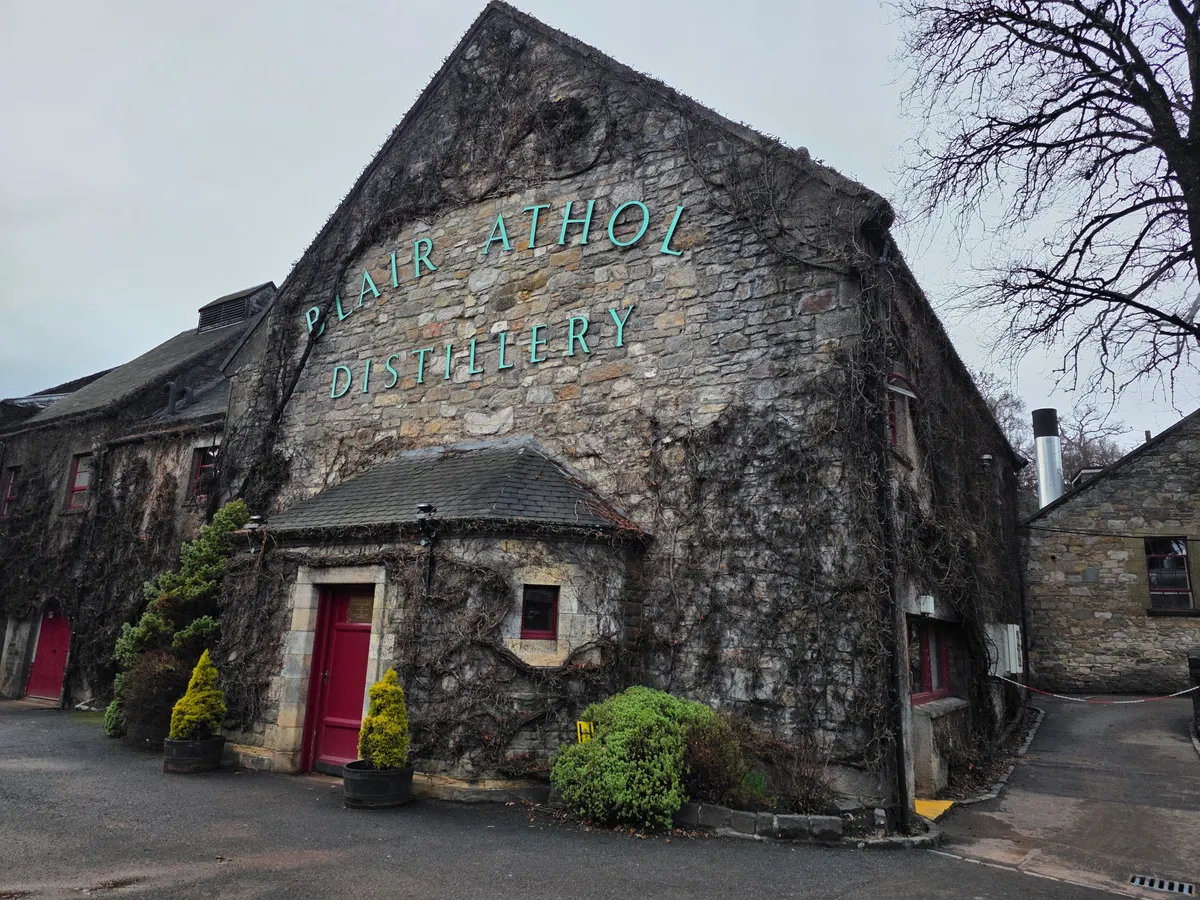
The ivy-clad gable of Blair Athol Distillery, Pitlochry — a listed building

15:35

Tasting at the home of Bell's

If you come here, take the £70 tour — an absolute must. The highlight was a sample drawn straight from a 25-year-old sherry cask; its strength was unknown. We also tasted the well-known Blair Athol from the Flora & Fauna series, and a sample from the 'fill your own bottle' cask available at the distillery at the time.
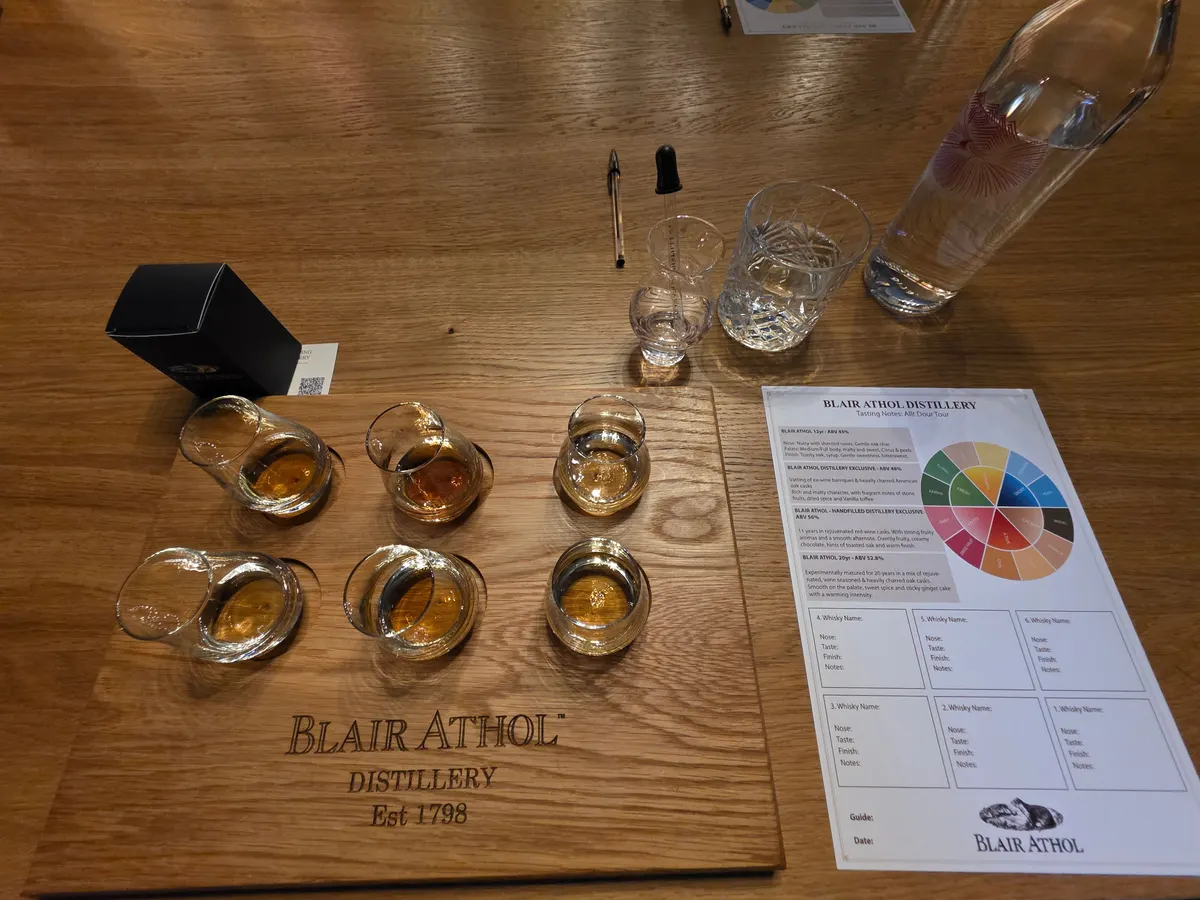
Tasting flight at Blair Athol

25 February 2026

Day 2 — Dalwhinnie & Dewar's Aberfeldy

08:50

Past Edradour

An early-morning stop at Edradour, 'Scotland's Little Gem', in the hills above Pitlochry. Sadly the visitor centre is permanently closed, but from outside you can still admire the handsome buildings: white walls and those typical red doors.

'Scotland's Little Gem' — the Edradour gate

09:40

Dalwhinnie: whisky at altitude

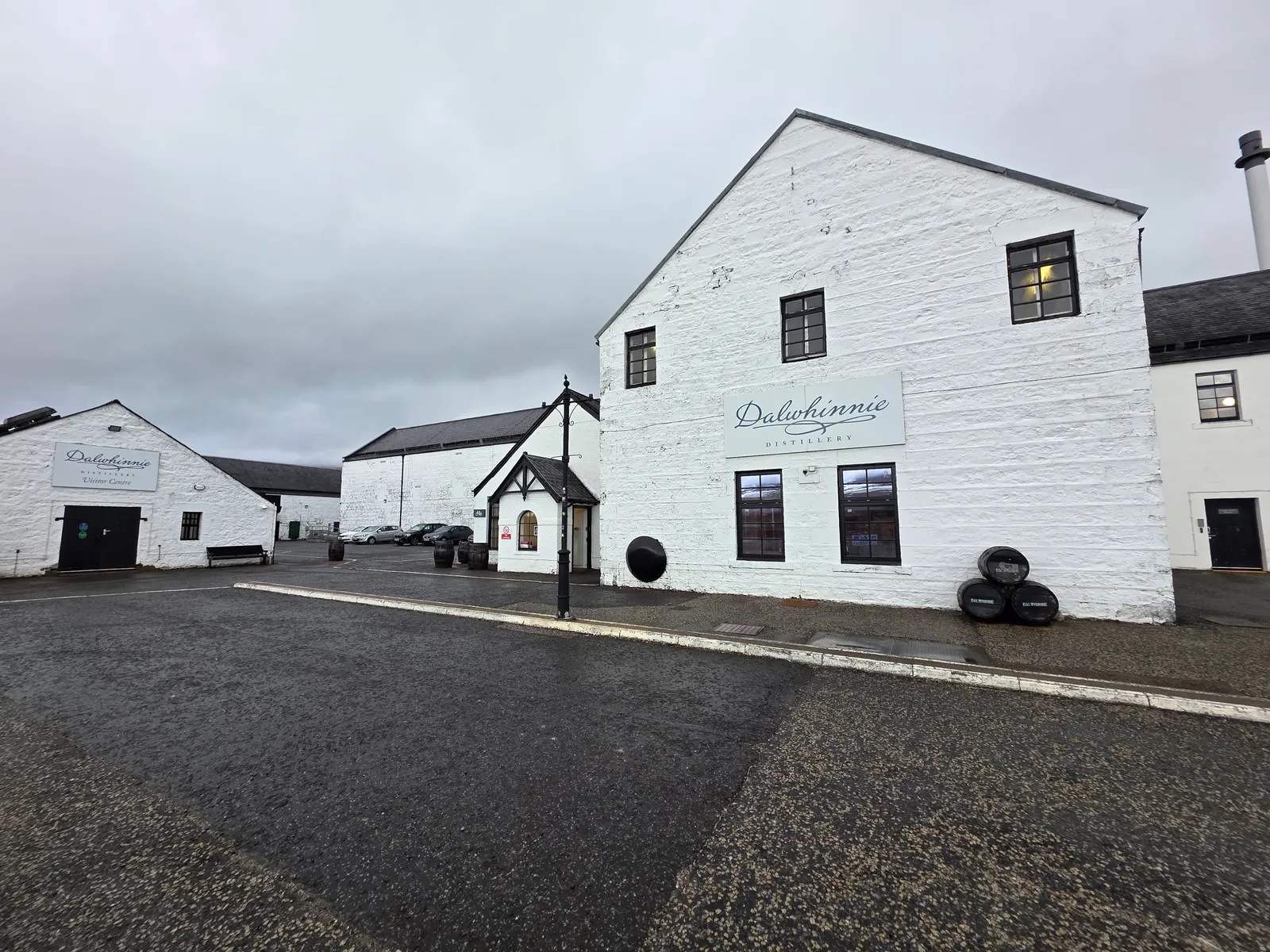
Forty-five minutes north up the A9 lies Dalwhinnie, at some 326 metres one of Scotland's highest distilleries — and officially one of the coldest inhabited places in the country. White buildings, snow on the hills, and a tour past washbacks and stills, all the way into the warehouse.

Dalwhinnie, one of Scotland's highest distilleries

10:04

The rent, paid in whisky

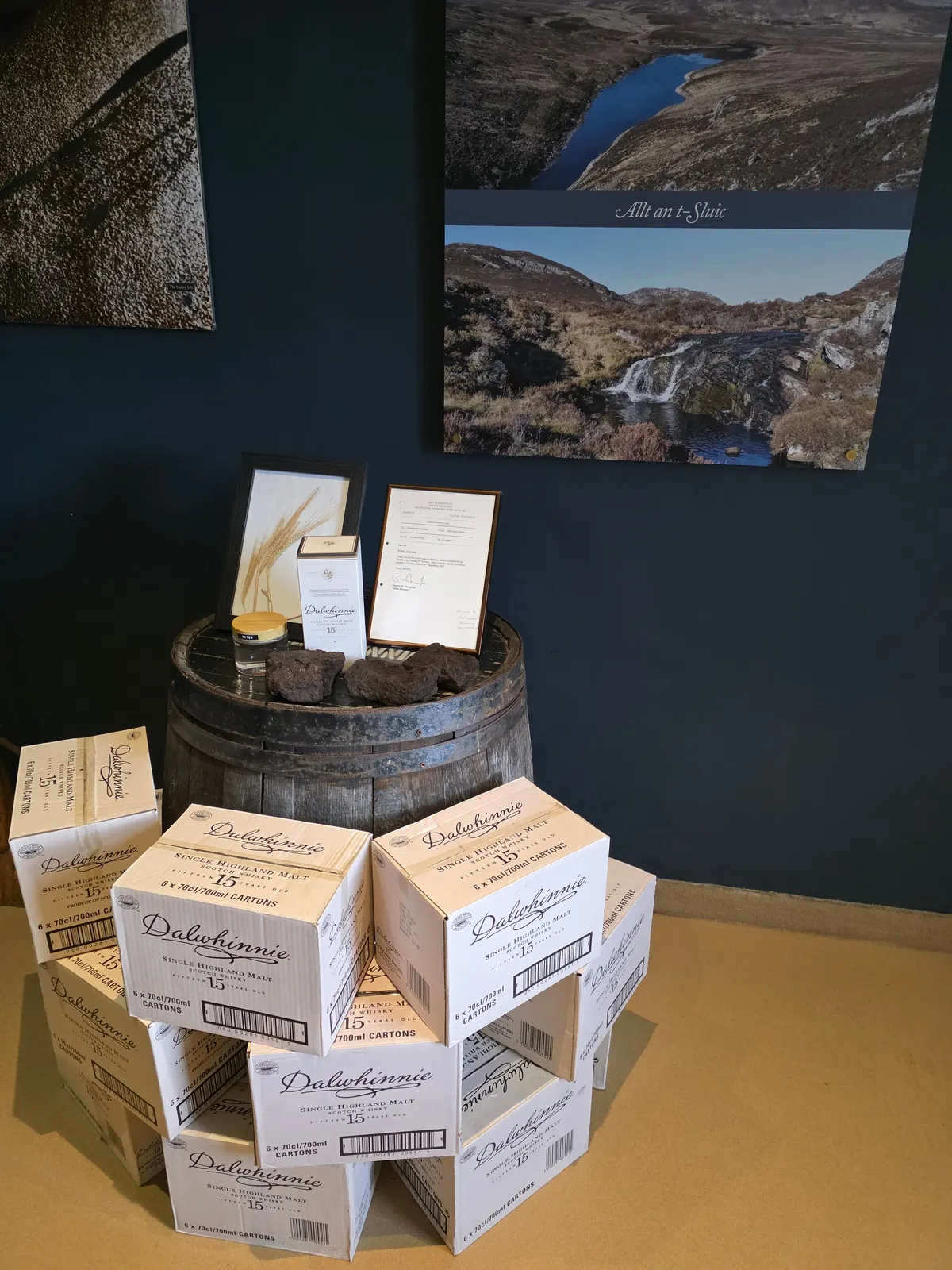
The visitor centre has a lovely anecdote on display. Every year the distillery pays for its access to the water source, the Allt an t-Sluic, in whisky: twelve cases of Dalwhinnie 15 to its owners. A framed letter from the Ben Alder Estate, dated 2007, thanks the distillery for 'the twelve cases of whisky' — the rent for twelve months.

Cases of Dalwhinnie 15 and the Ben Alder Estate's letter: the annual rent, paid in whisky

10:23

One of Scotland's finest warehouses

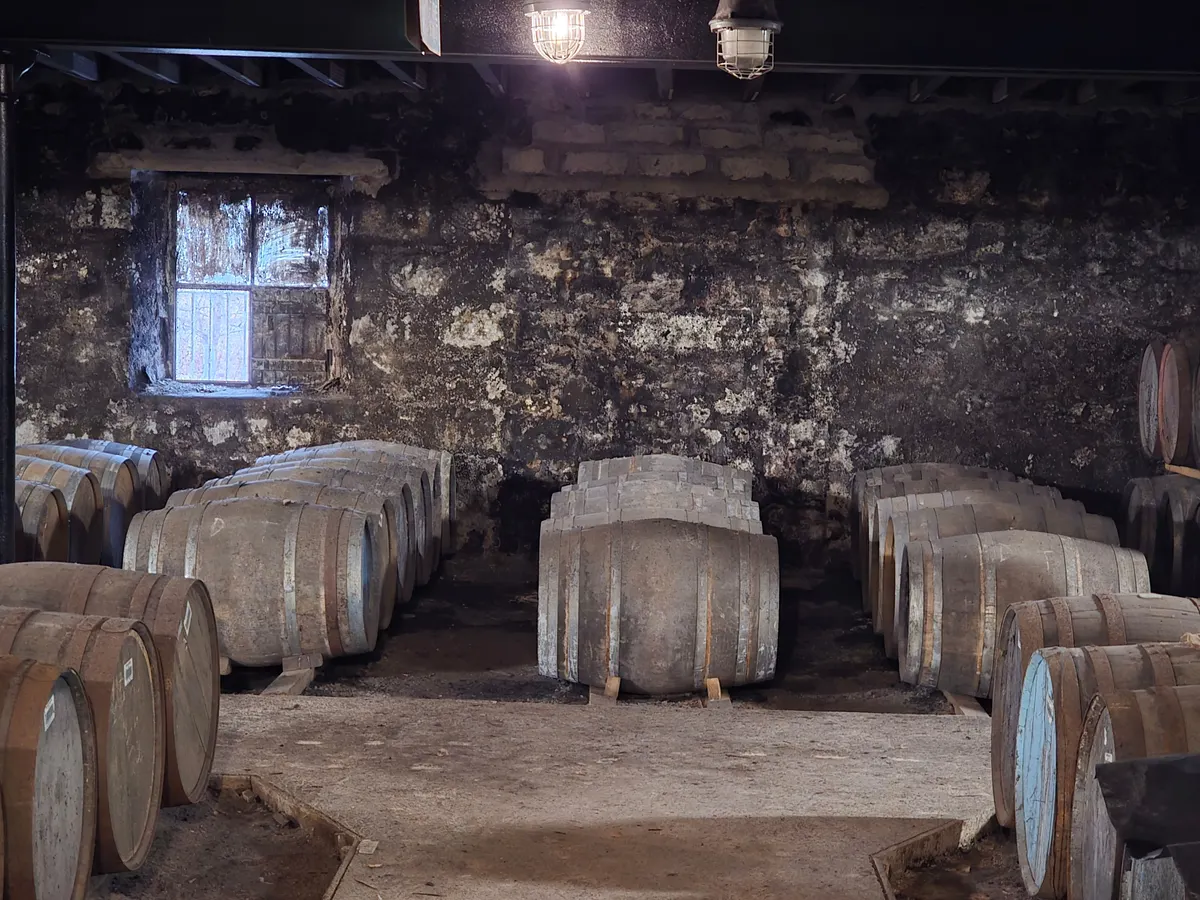
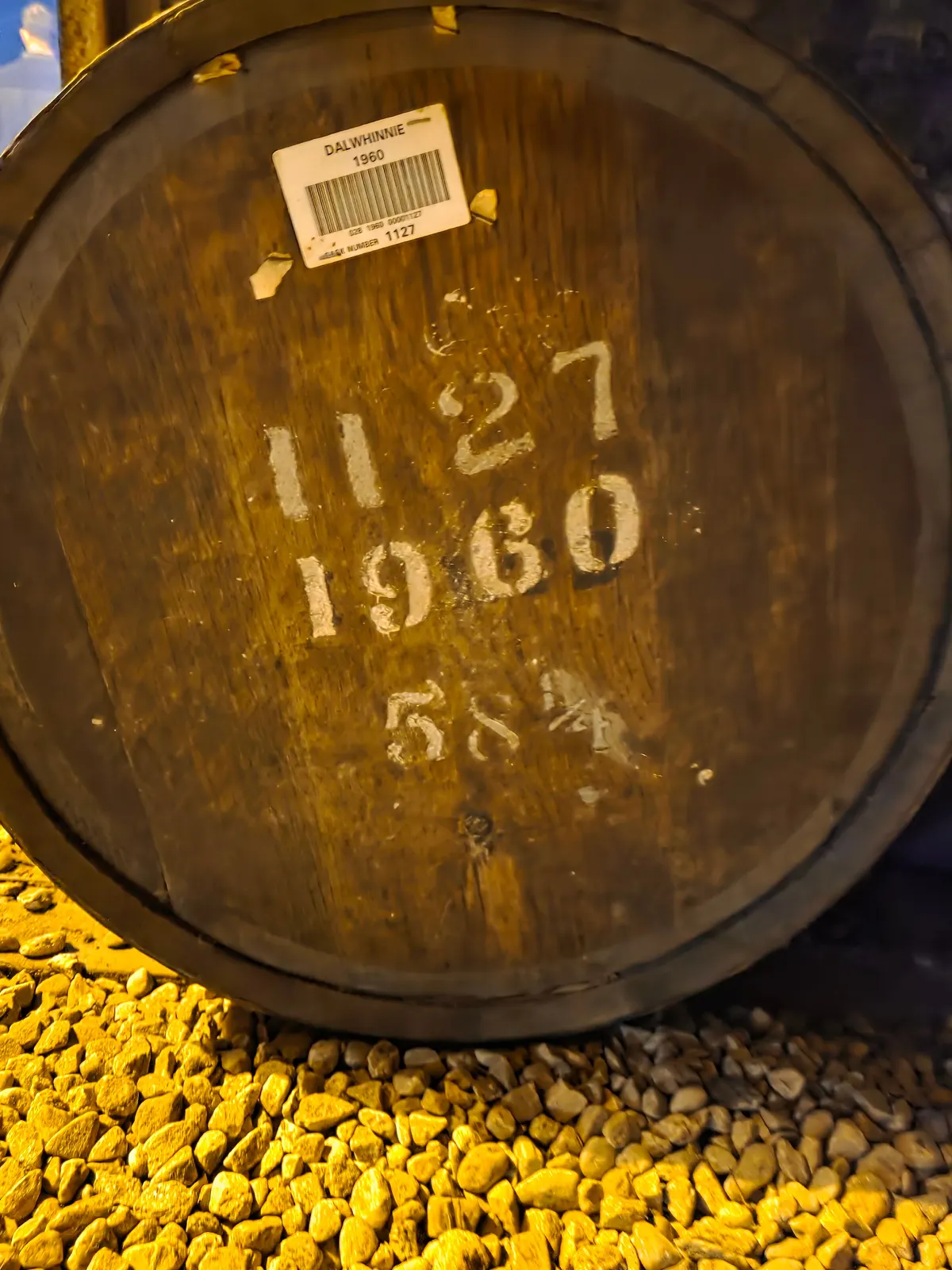
The warehouse is one of the finest in Scotland: thick stone walls, an earthen floor, casks in rows right up to the window. It holds not only Dalwhinnie casks but also casks from other Diageo distilleries — for strategic reasons. Should fire break out somewhere, there are always casks left in other warehouses. One of the oldest here is cask 1127, filled in 1960.

Dalwhinnie's dunnage warehouse — one of the finest in Scotland

14:00

Dewar's Aberfeldy

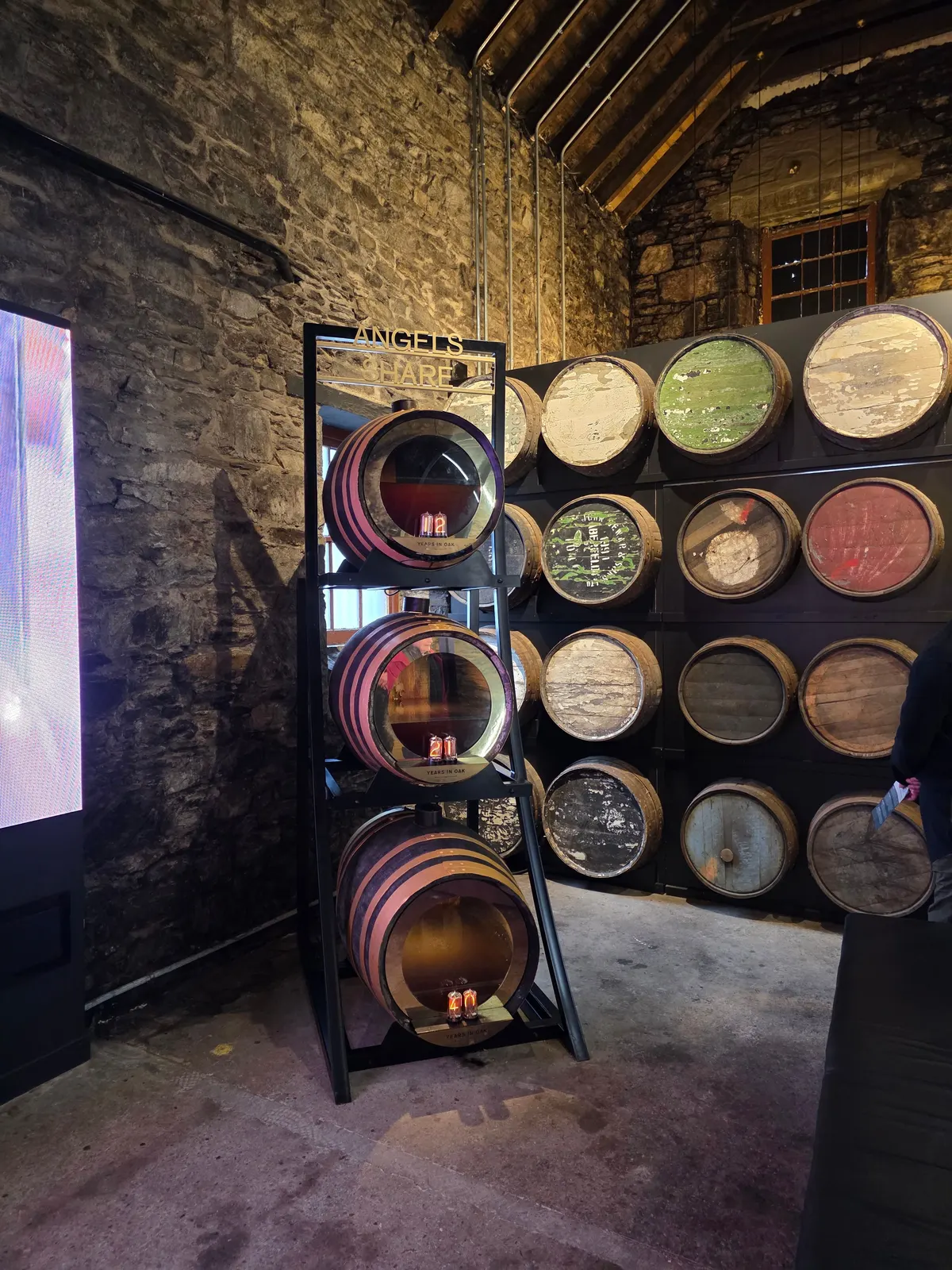
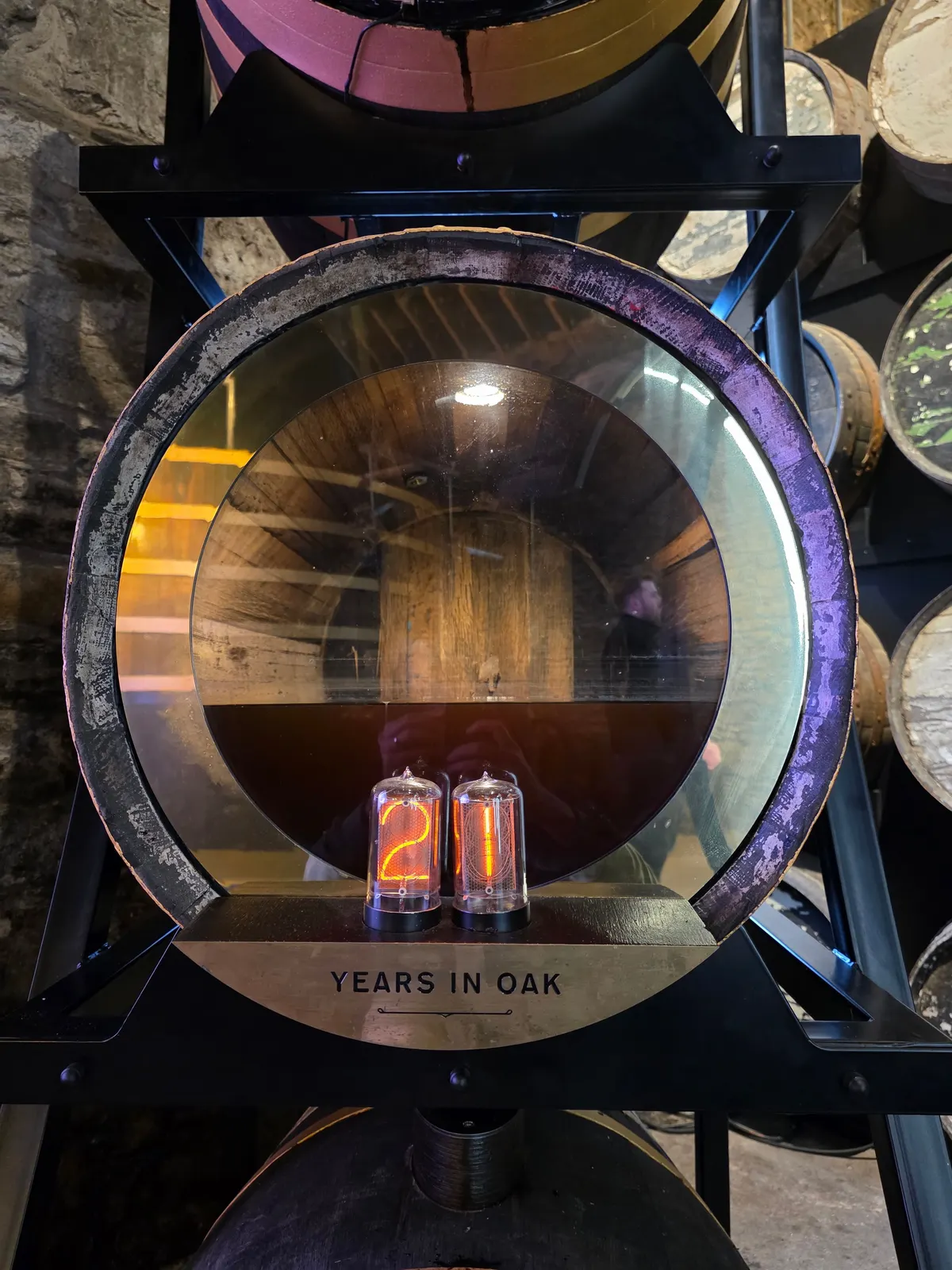
In the afternoon, on to Aberfeldy, the home of Dewar's. The visitor centre occupies the distillery's former main warehouse, converted entirely for the purpose; many casks are no longer kept on site as a result. Inside it is half museum, half distillery: a wall of historic casks, a 'years in oak' installation and archive pieces spanning more than a century of blending history — plus the stone warehouses outside.

Different cask types and maturation times, on show in the Aberfeldy visitor centre

15:40

Historic warehouses amid the green

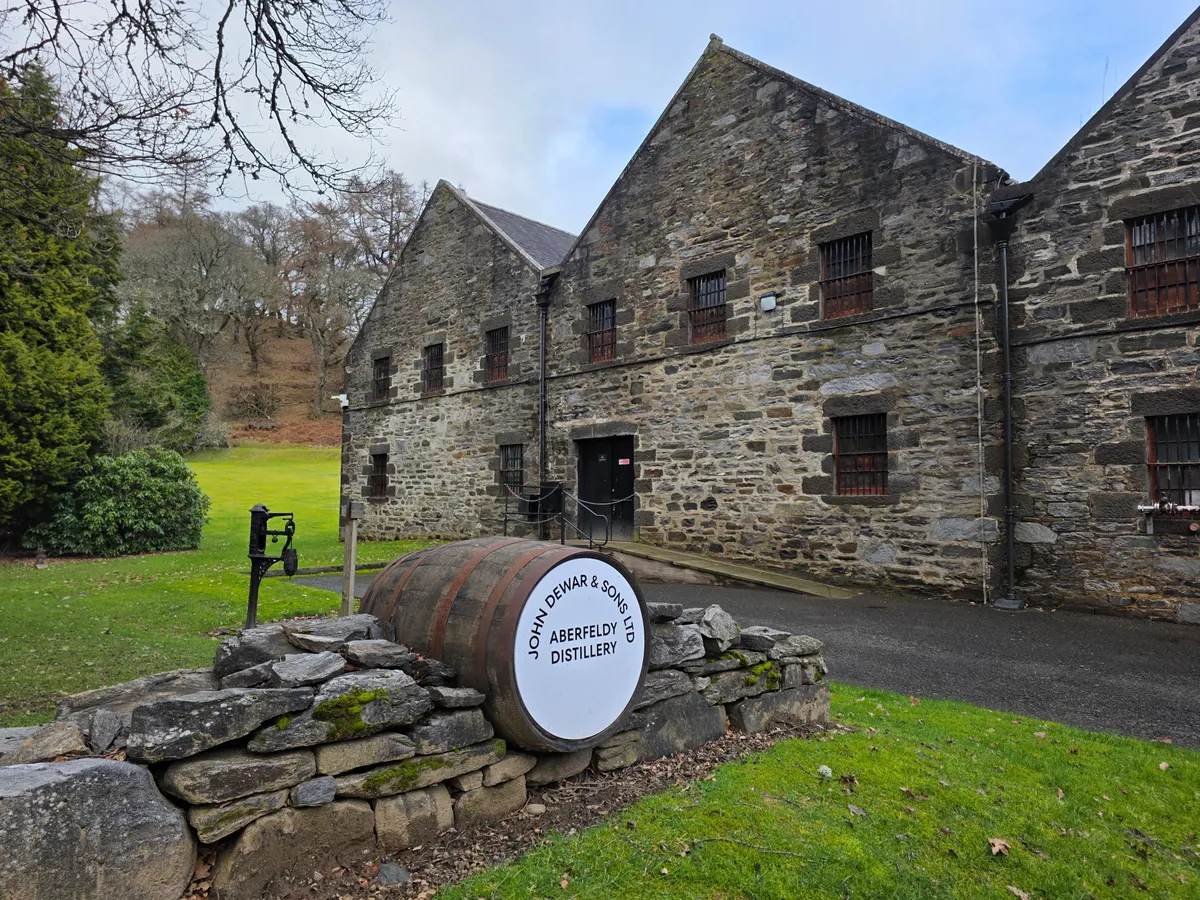
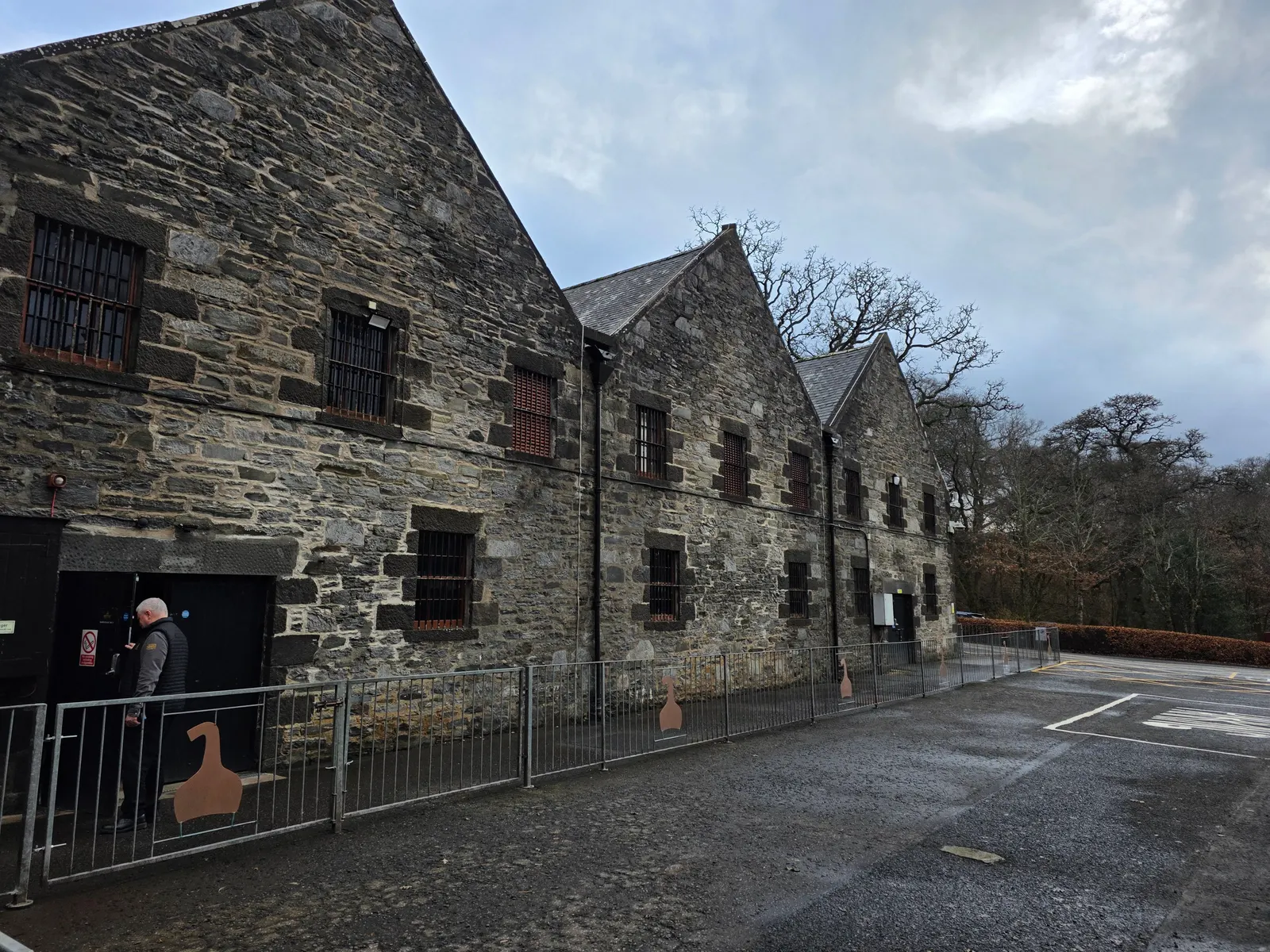
Outside wait the handsome historic warehouses of John Dewar & Sons: thick walls of rough-hewn stone, narrow barred windows and a roof that has sheltered whisky for more than a century. They sit in green, rolling surroundings on the edge of the Perthshire woods — with a cask bearing the company's name as a quiet signpost in the grass.

The stone buildings of John Dewar & Sons, Aberfeldy Distillery

15:49

Copper behind glass

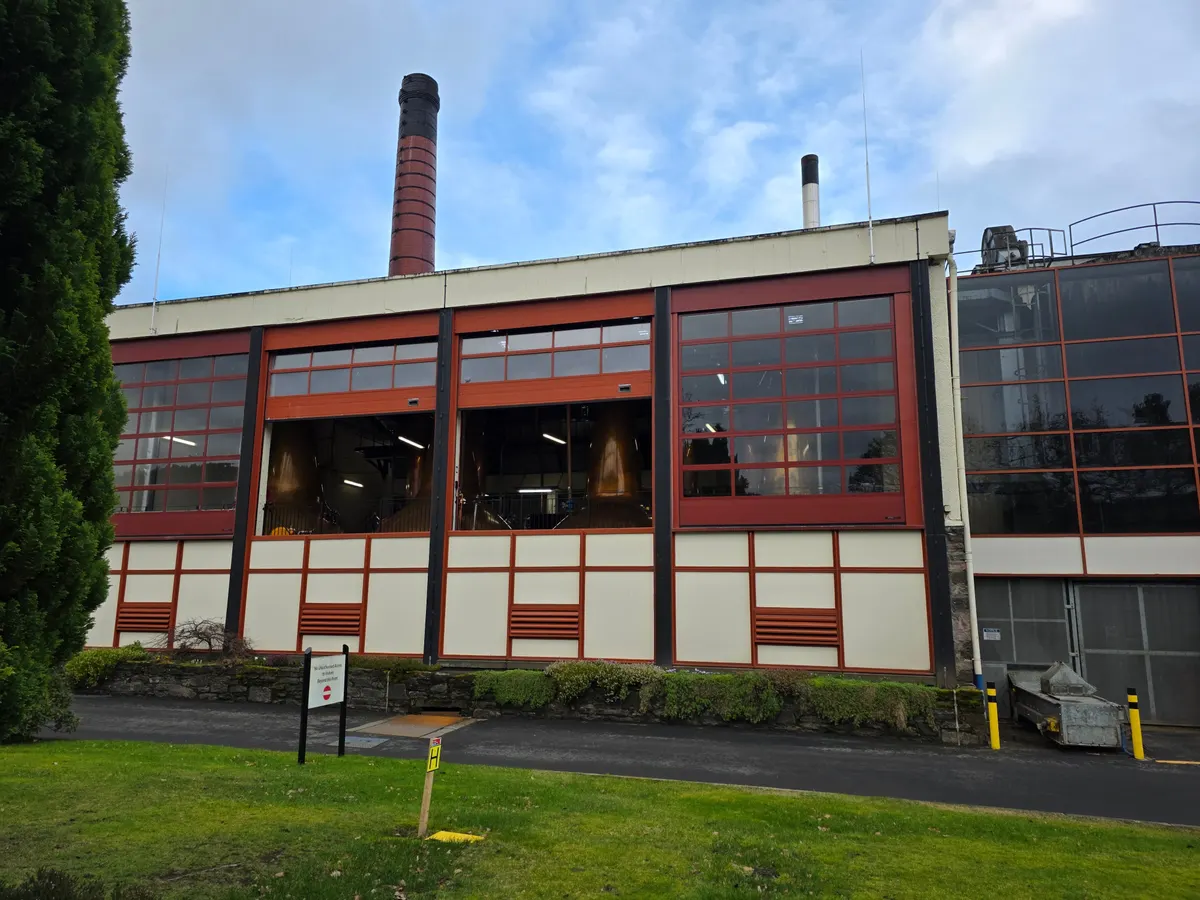
A few steps further on, the still house shows its modern side: behind the big red-framed windows you can see the copper stills from outside.

The Aberfeldy still house, its stills behind the glass

26 February 2026

Day 3 — Lindores Abbey and a glimpse of Daftmill

10:20

The birth certificate of Scotch

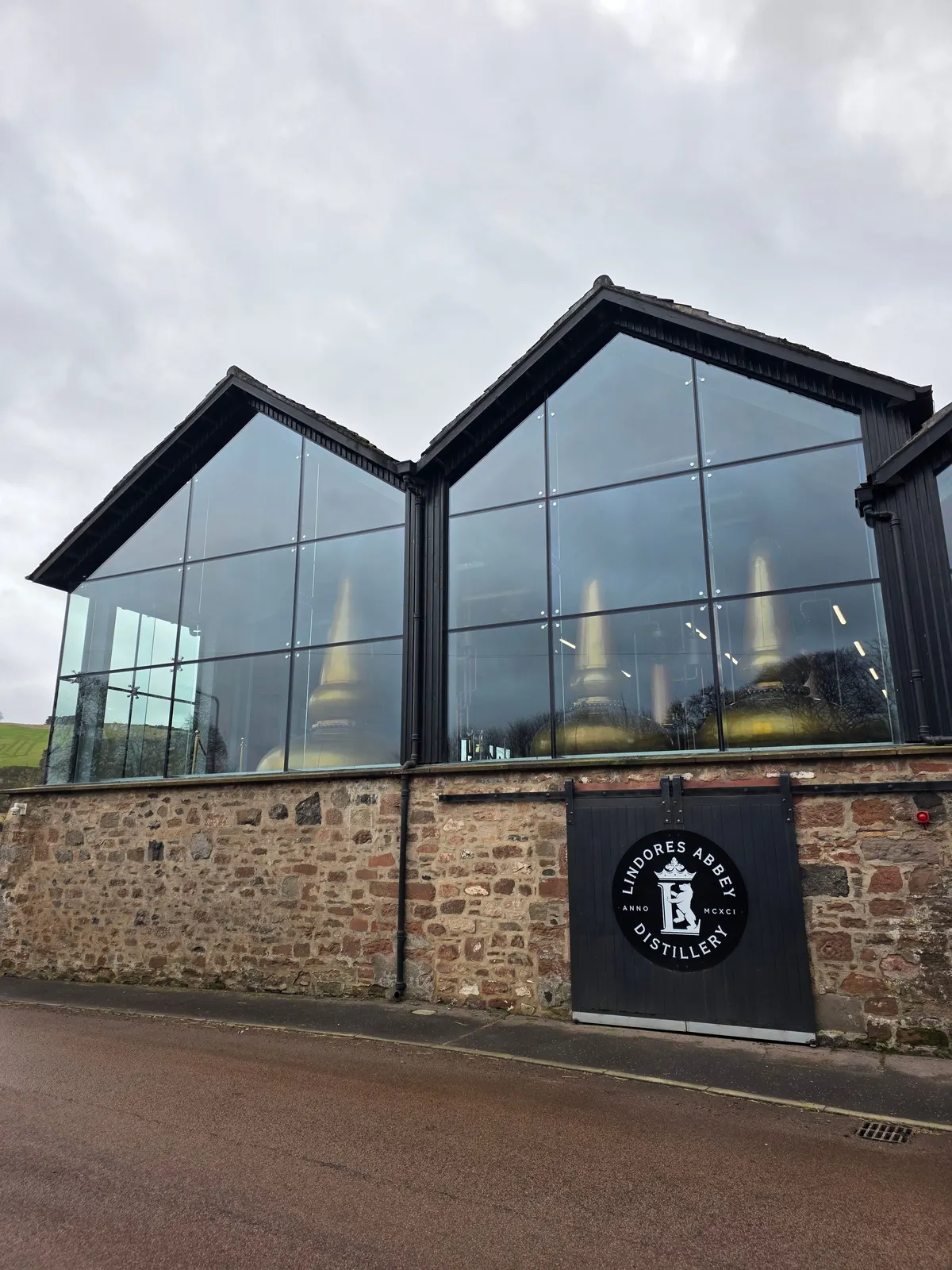
On the last day, south to Newburgh in Fife and Lindores Abbey. Here the story came full circle: the distillery is built on the grounds of a medieval abbey, right beside the ruins where monks were already making aqua vitae more than five centuries ago. In the Exchequer Rolls of 1494, Friar John Cor of this abbey was allocated eight bolls of malt 'to make aqua vitae for the King' — the oldest written record of whisky-making in Scotland. Since 2017, spirit is being distilled on the same spot once more, the old abbey walls literally within reach.

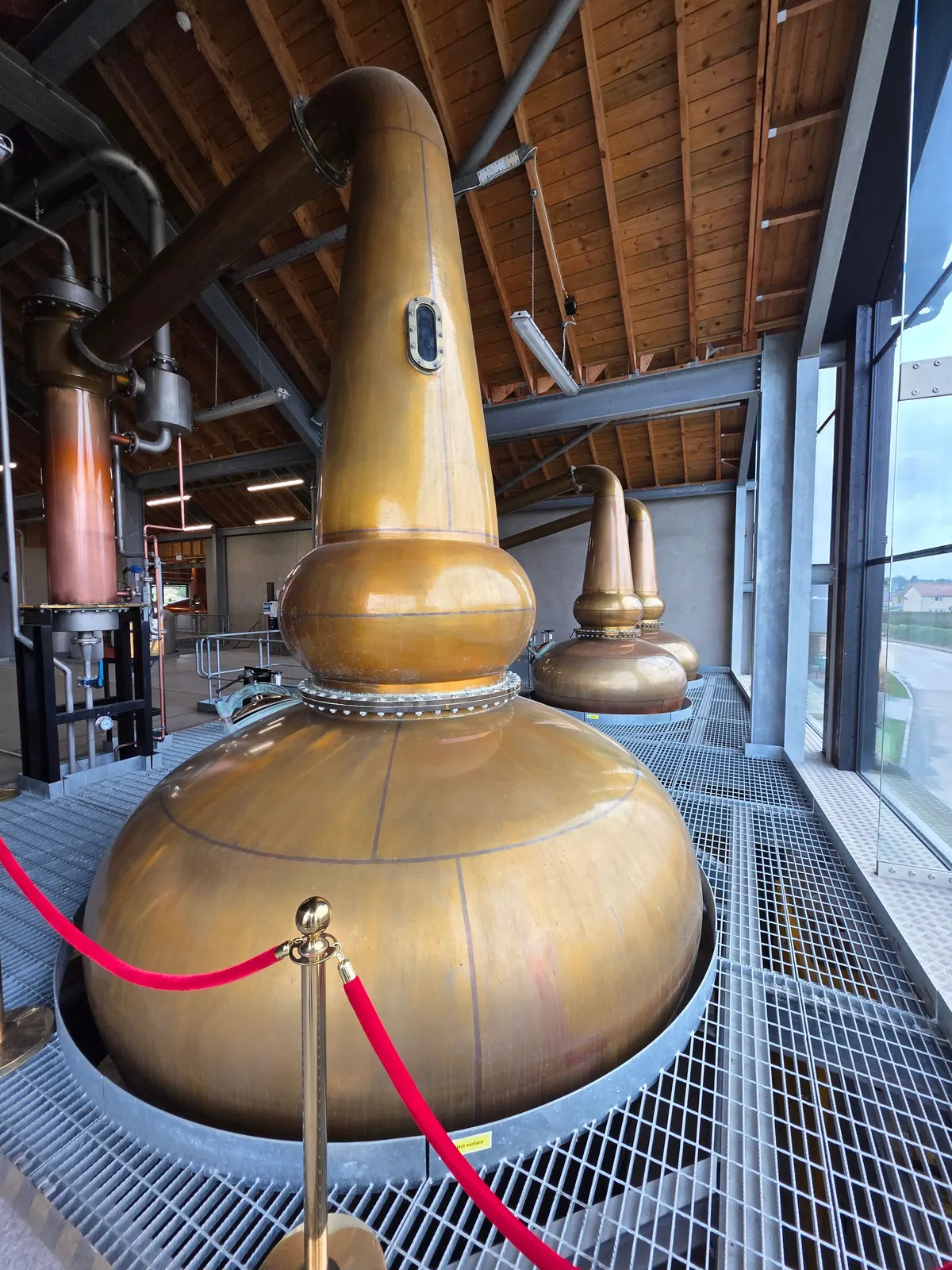
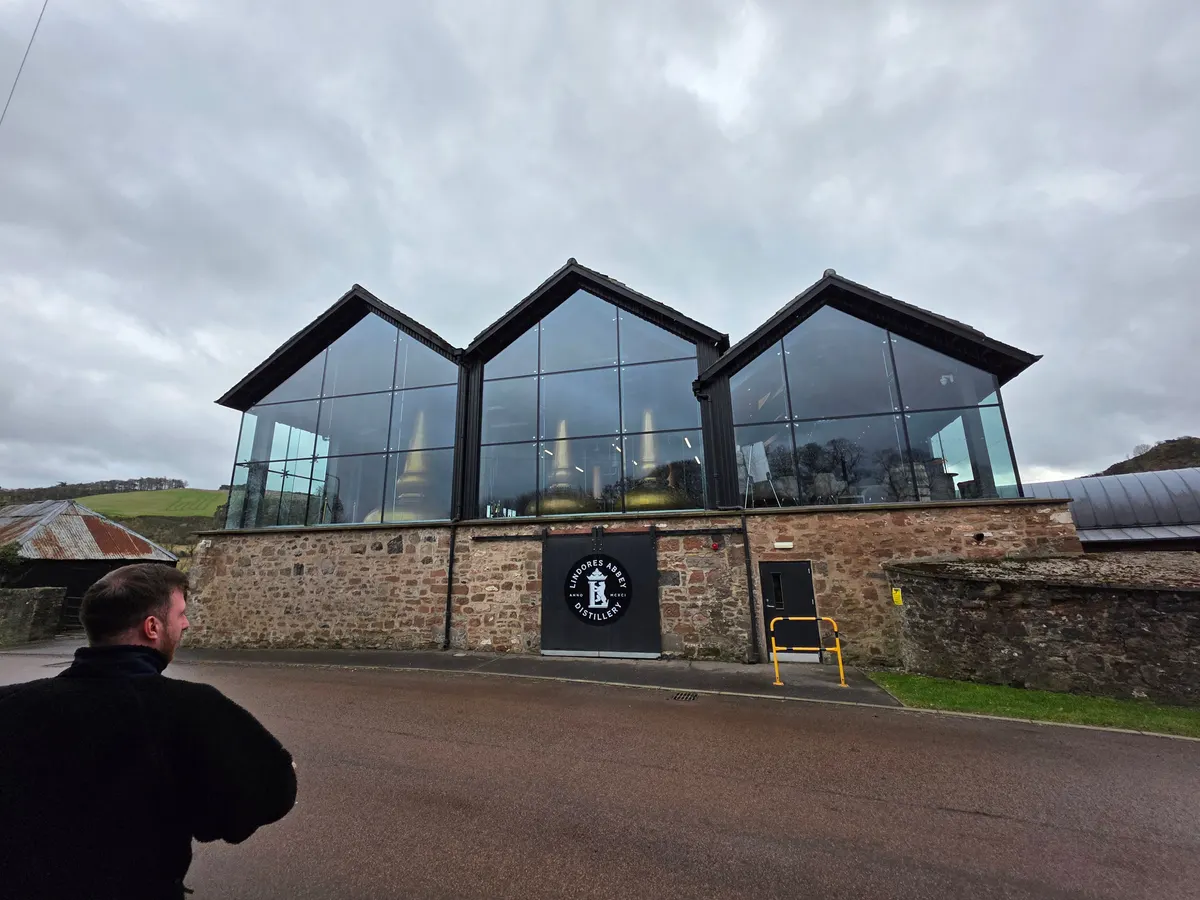
The glass-fronted still house of Lindores Abbey Distillery, Newburgh

10:40

Modern, with respect for the past

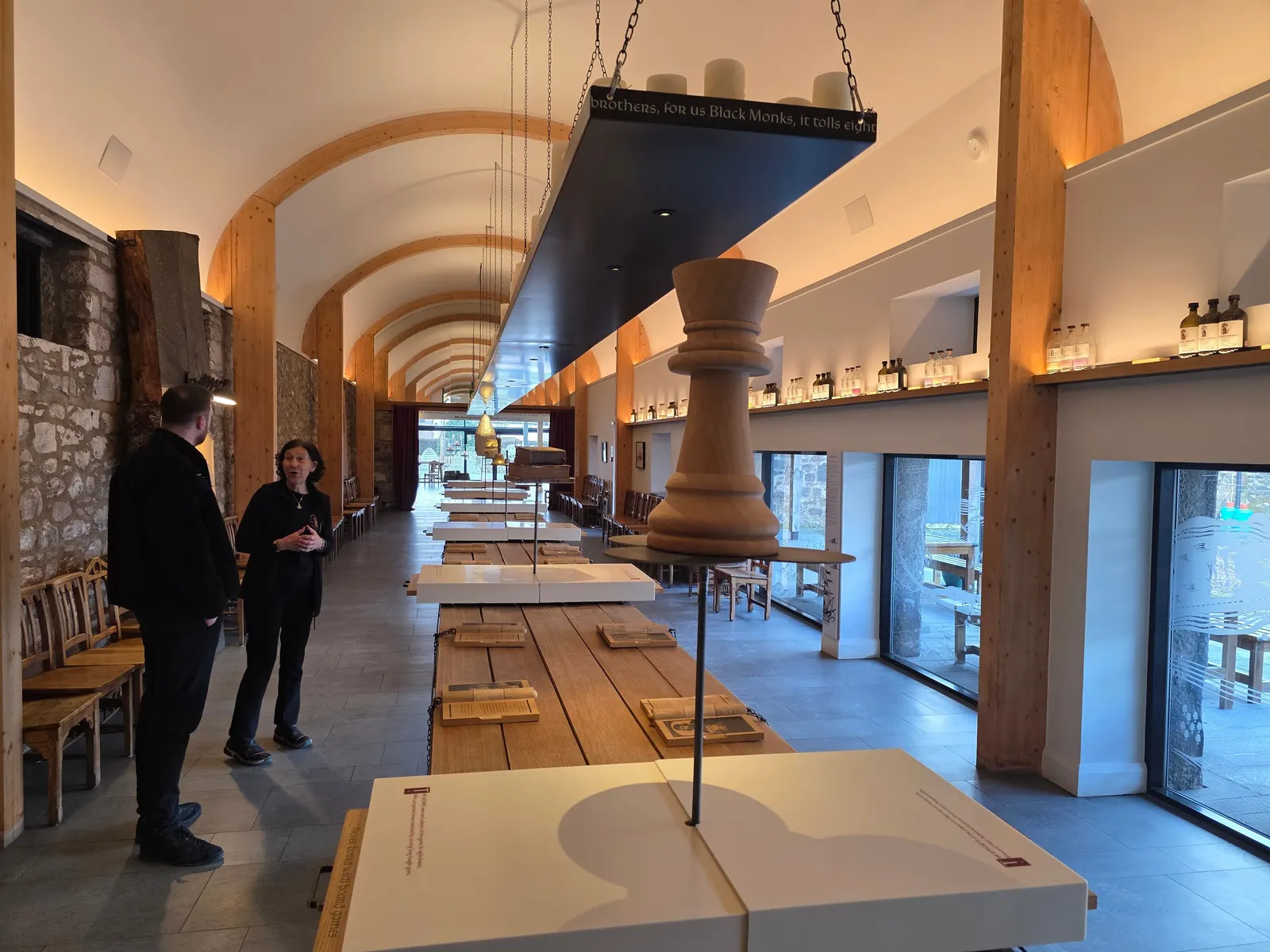
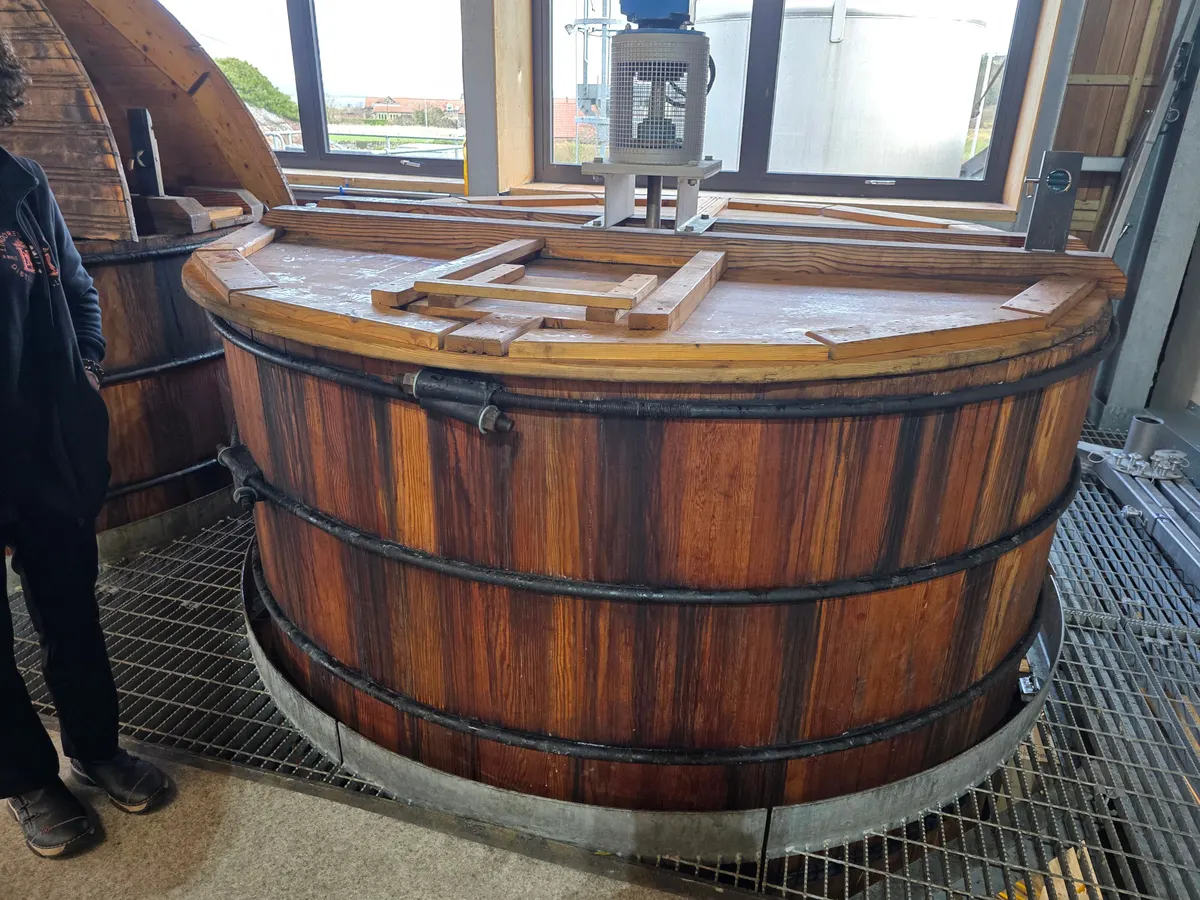
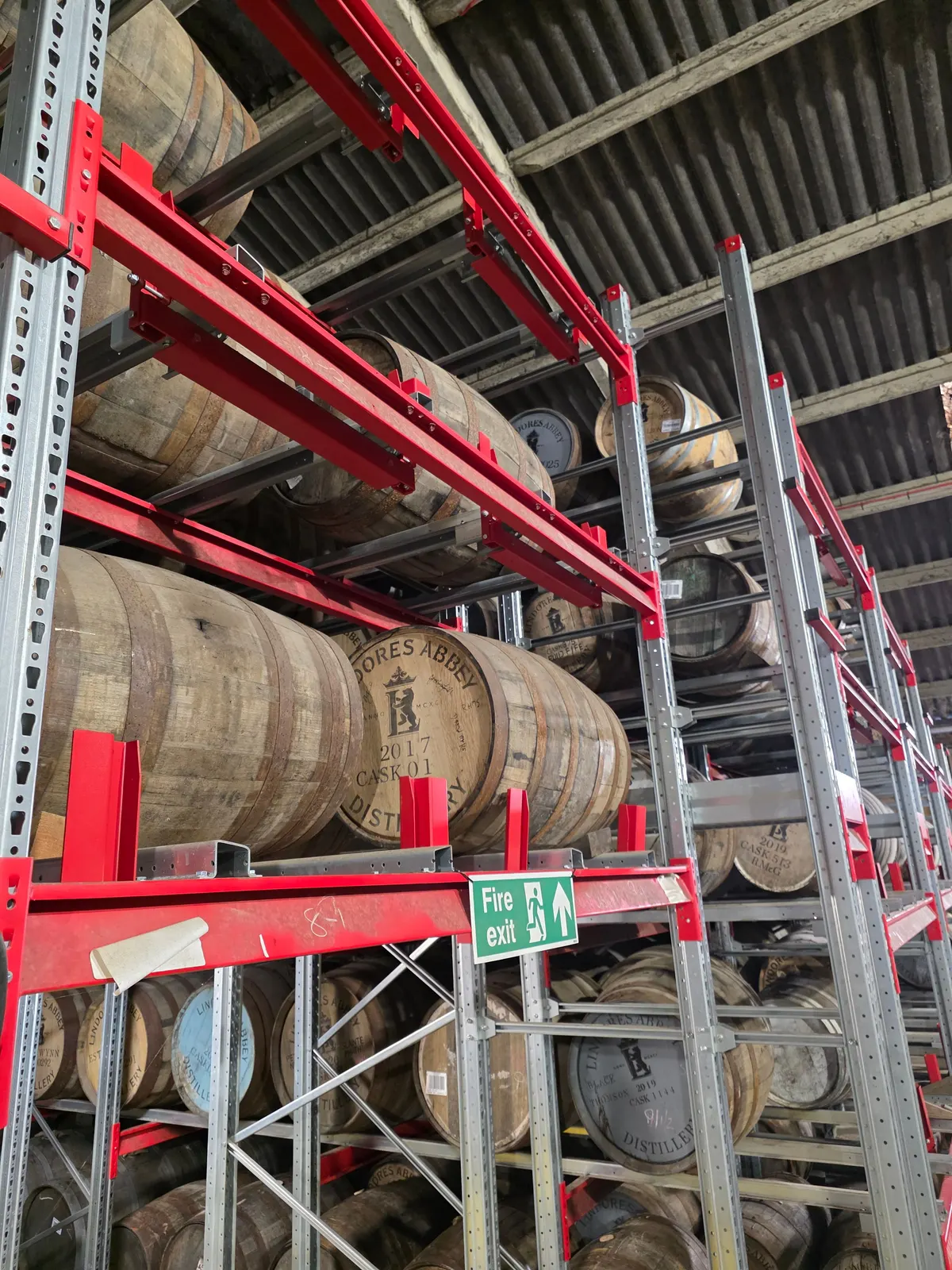
The visitor centre is beautifully put together: modern and light, yet never losing sight of its historic setting. Natural stone, timber and glass flow seamlessly into one another. The still hall looks out through tall glass walls onto the abbey ruins, wooden washbacks stand beneath a timber roof frame, and in the warehouse the new generation's first casks are maturing — five centuries after Friar John Cor.

The light-filled still hall at Lindores Abbey

11:20

A tasting and farewell to Fife

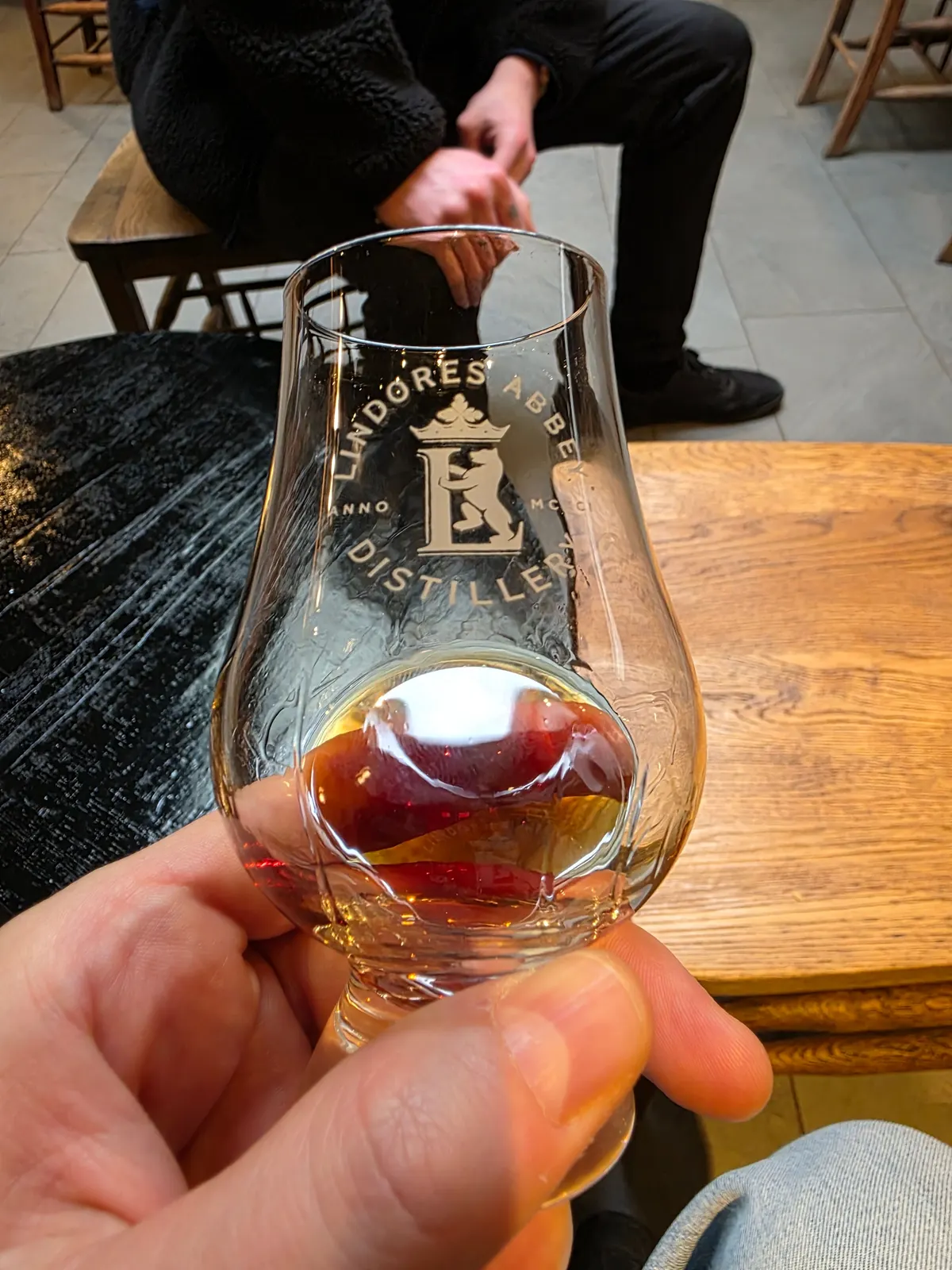
To finish, the tasting. Lindores is still a young distillery, but you can barely tell: what ends up in the glass is surprisingly mature and full. The secret lies in the casks. Lindores chooses them with great care and lets the wood do the work. The most striking example was a sample from a sherry firkin, a small cask in which the whisky has a lot of contact with the wood. The sherry influence was enormous: deep, rich and dark, far beyond what you would expect from such a young whisky. A fine farewell to Fife.

A sample from a sherry firkin at Lindores Abbey: small cask, big sherry influence

11:58

Daftmill: as far as the gate

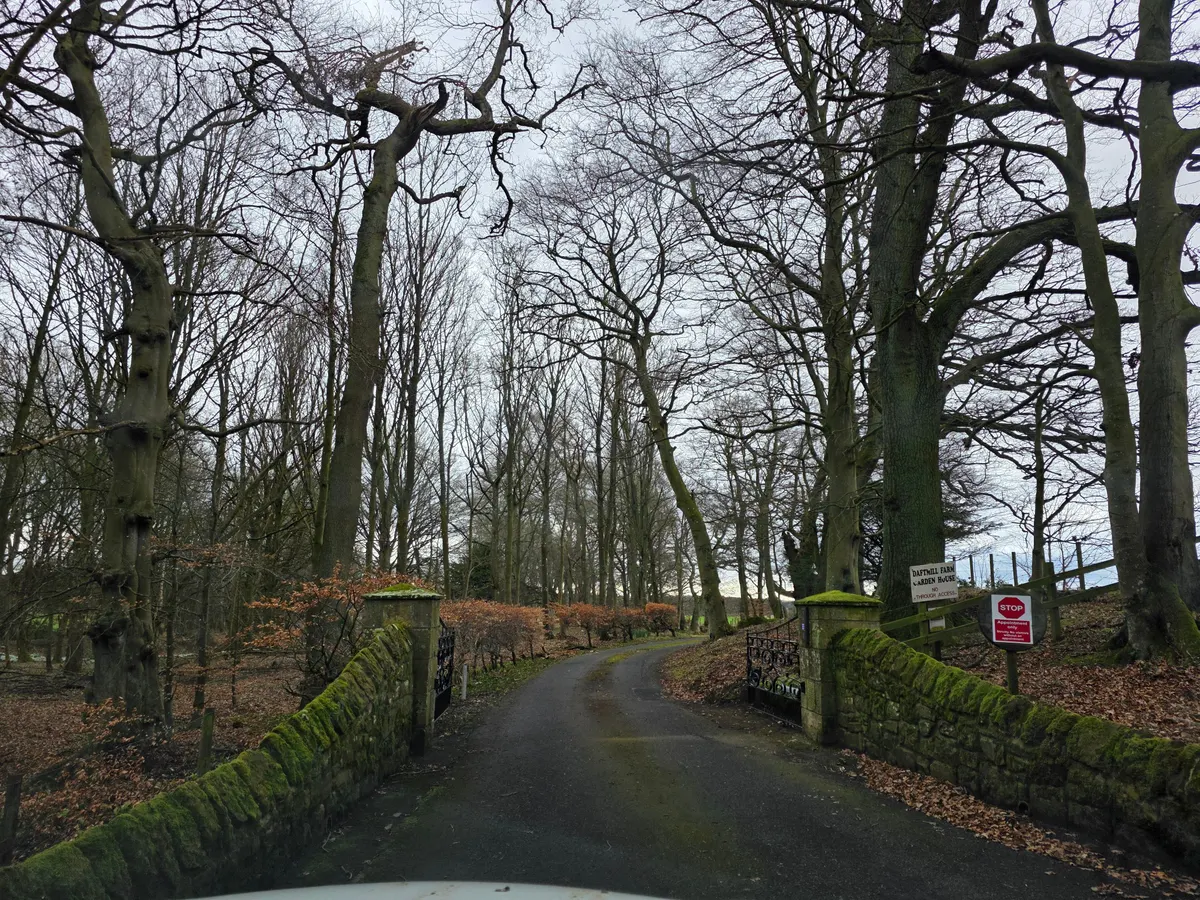
Twenty minutes east, between Newburgh and Cupar, lay the last stop of the trip — and, as at Edradour, we stayed outside. At the end of a beech avenue, a wrought-iron gate closes off the drive to Daftmill Farm; beside it a sign reading 'no through access' and a stop sign saying 'appointment only'. Daftmill takes no visitors, full stop. So a photograph from the road was as close as we got.

The closed gate at the entrance to Daftmill Farm, Fife

12:02

A farm with a distillery inside it

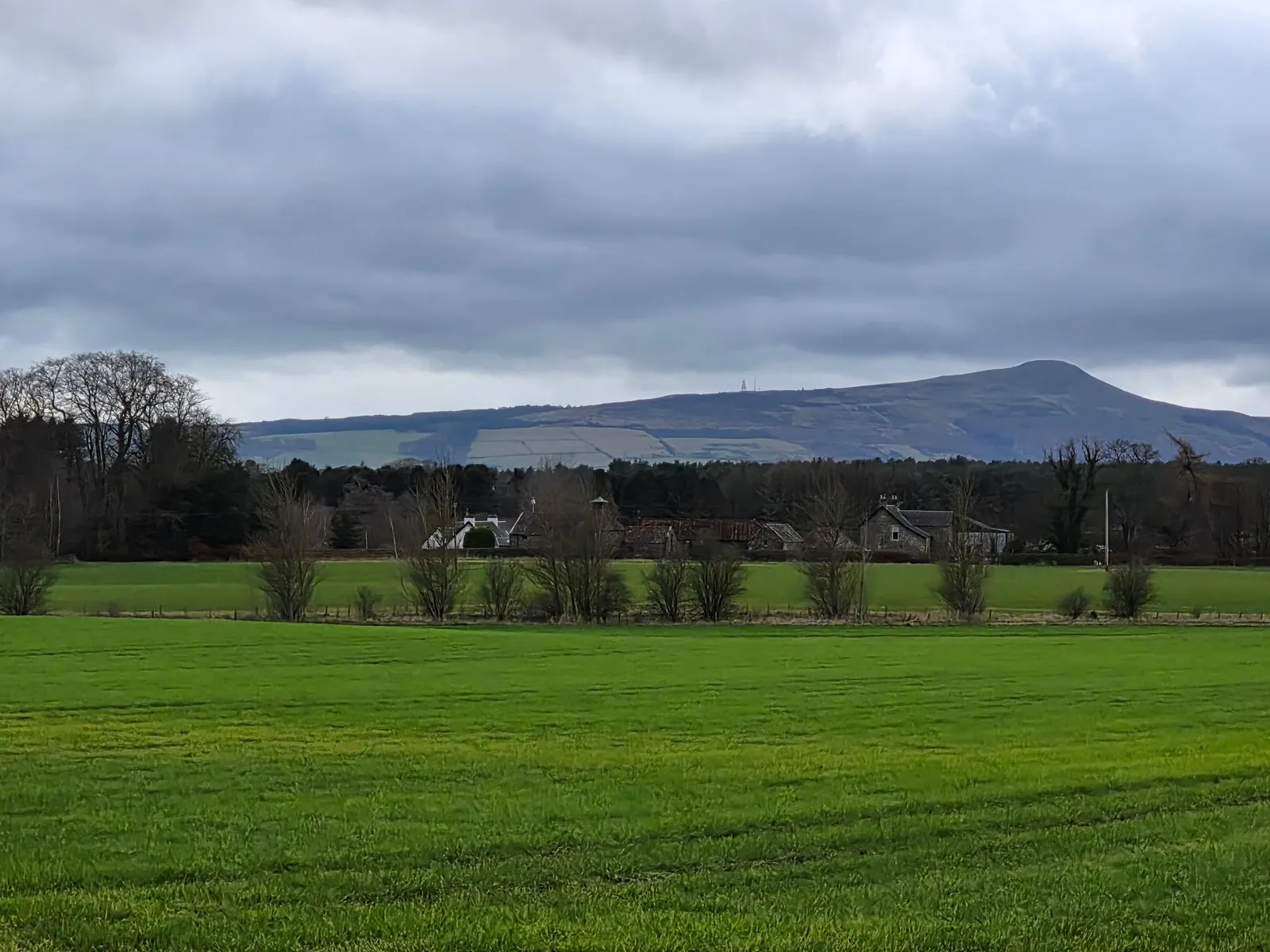
From across the fields you can see where all those rare bottles come from: an ordinary Fife farm with stone outbuildings, a stand of trees behind it and the Fife hills on the horizon. No visitor centre, no roadside sign, no car park. If you didn't know, you would drive straight past.

Daftmill seen from across the fields, the Fife hills behind

The distilleries

History, trivia and our photos for every distillery visited.

The Glenturret

Southern HighlandsFounded 1763

The Glenturret, tucked into the Turret valley near Crieff, traces its licence back to 1763 and so claims the title of Scotland's oldest working distillery — though such titles are always debated in whisky circles. Since 2019 France's Lalique Group has been co-owner, which brought the distillery crystal and a Michelin-starred restaurant alongside its whisky.

The Glenturret in the Turret valley, near CrieffWashback No. 1 at The GlenturretThe stills at The Glenturret

Blair Athol

Southern HighlandsFounded 1798

Blair Athol was founded in 1798 on the Allt Dour — Gaelic for 'burn of the otter' — placing it among Scotland's older guard. The distillery, today part of Diageo, is best known as the heart of Bell's, for generations Britain's best-selling blend. The single malt itself stays scarce, which makes a bottle from the distillery range all the sweeter.

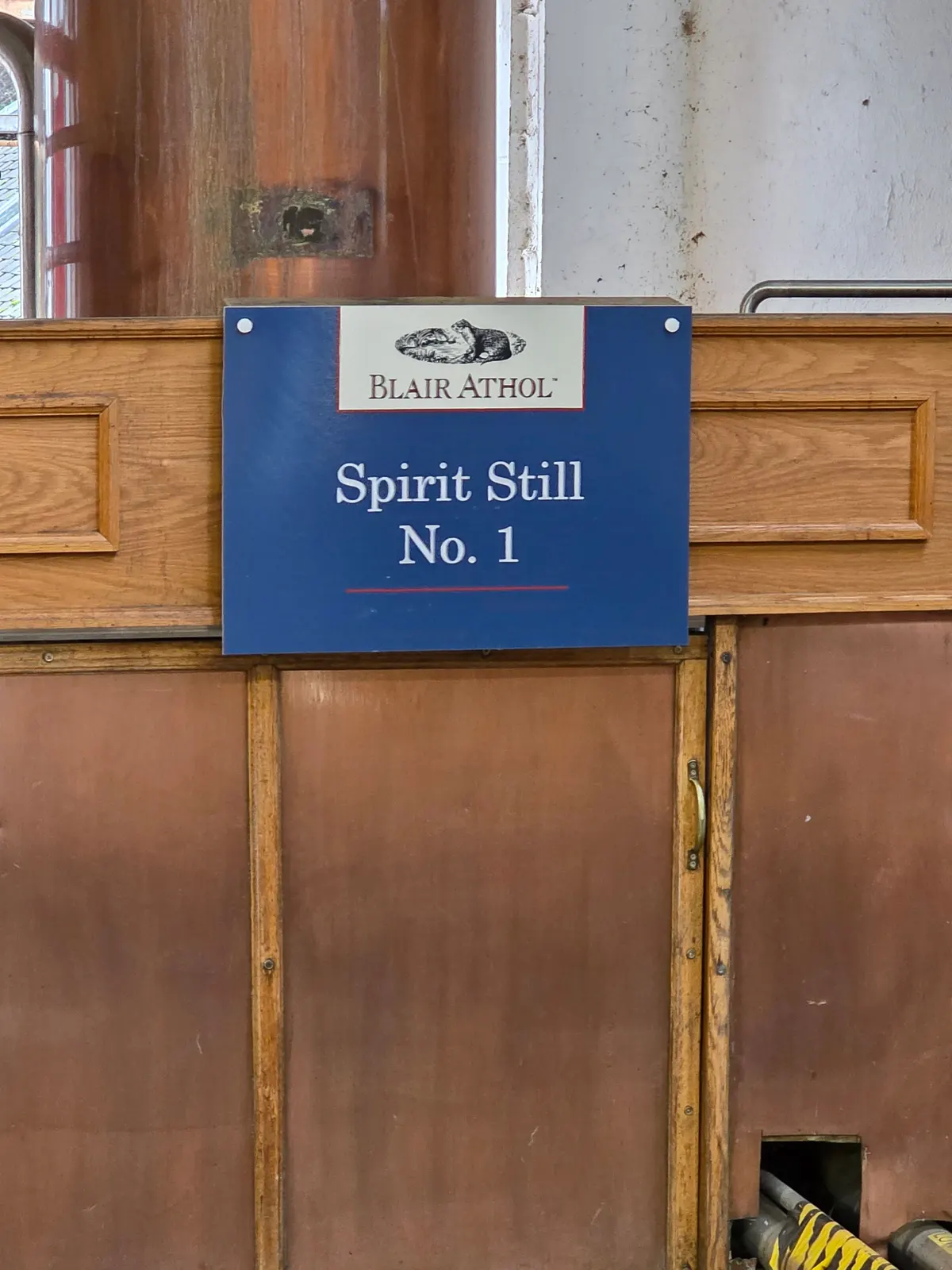
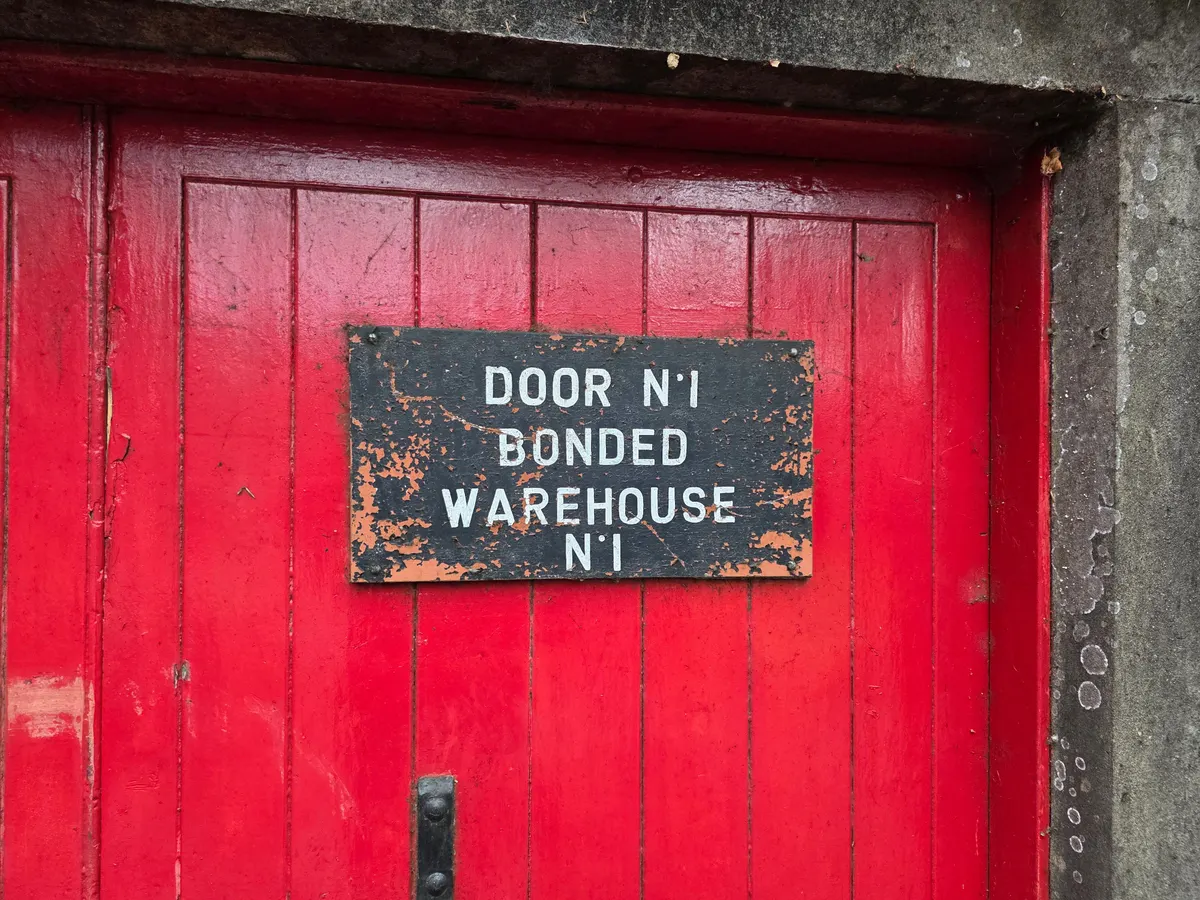
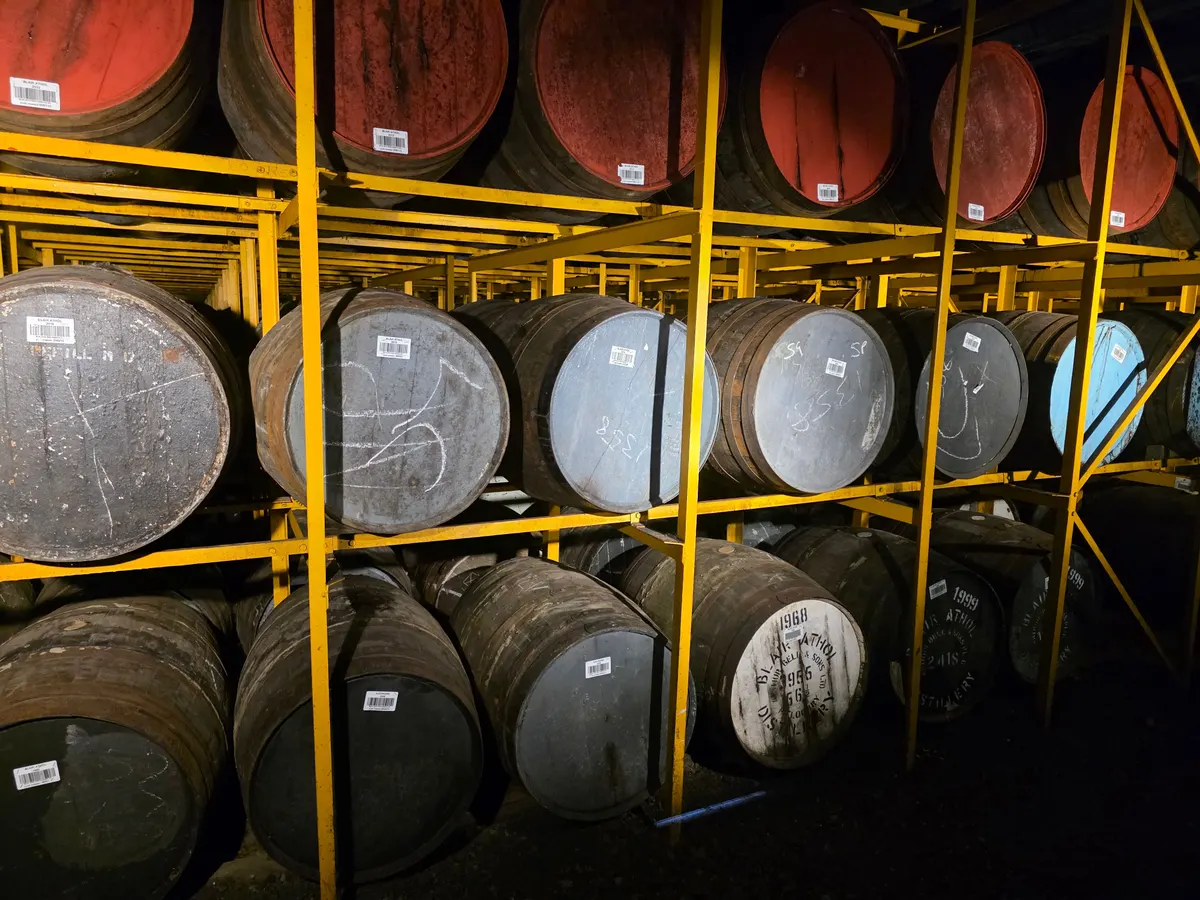
Copper and deep blue in the Blair Athol still houseSpirit still No. 1, Blair AtholThe Allt Dour runs right through the Blair Athol groundsBlair Athol's red-doored warehouses, beyond the Allt DourDoor No. 1 of the bonded warehouse, Blair AtholMaturing casks at Blair Athol

Edradour

Southern HighlandsFounded 1825

Exterior visit only

Edradour, in the hills above Pitlochry, long counted as Scotland's smallest distillery: a handful of whitewashed buildings around a burn, with an output that wouldn't fill some warehouses of the big players. Since 2002 it has been owned by independent bottler Signatory Vintage; under the name Ballechin, Edradour also distils a heavily peated variant.

'Scotland's Little Gem' — the Edradour gate

Dalwhinnie

Central HighlandsFounded 1897

Dalwhinnie opened in 1897 (initially as 'Strathspey') on a pass between the Cairngorms and the Monadhliath, at some 326 metres — vying with Braeval for the title of Scotland's highest distillery. The village is officially one of the coldest inhabited places in the country, and the distillery has doubled as a weather station for over a century: staff report daily readings to the UK Met Office.

Outside, wooden worm tubs condense the vapour from the stills — an old-fashioned technique that makes for a fuller character and survives at only a handful of distilleries.

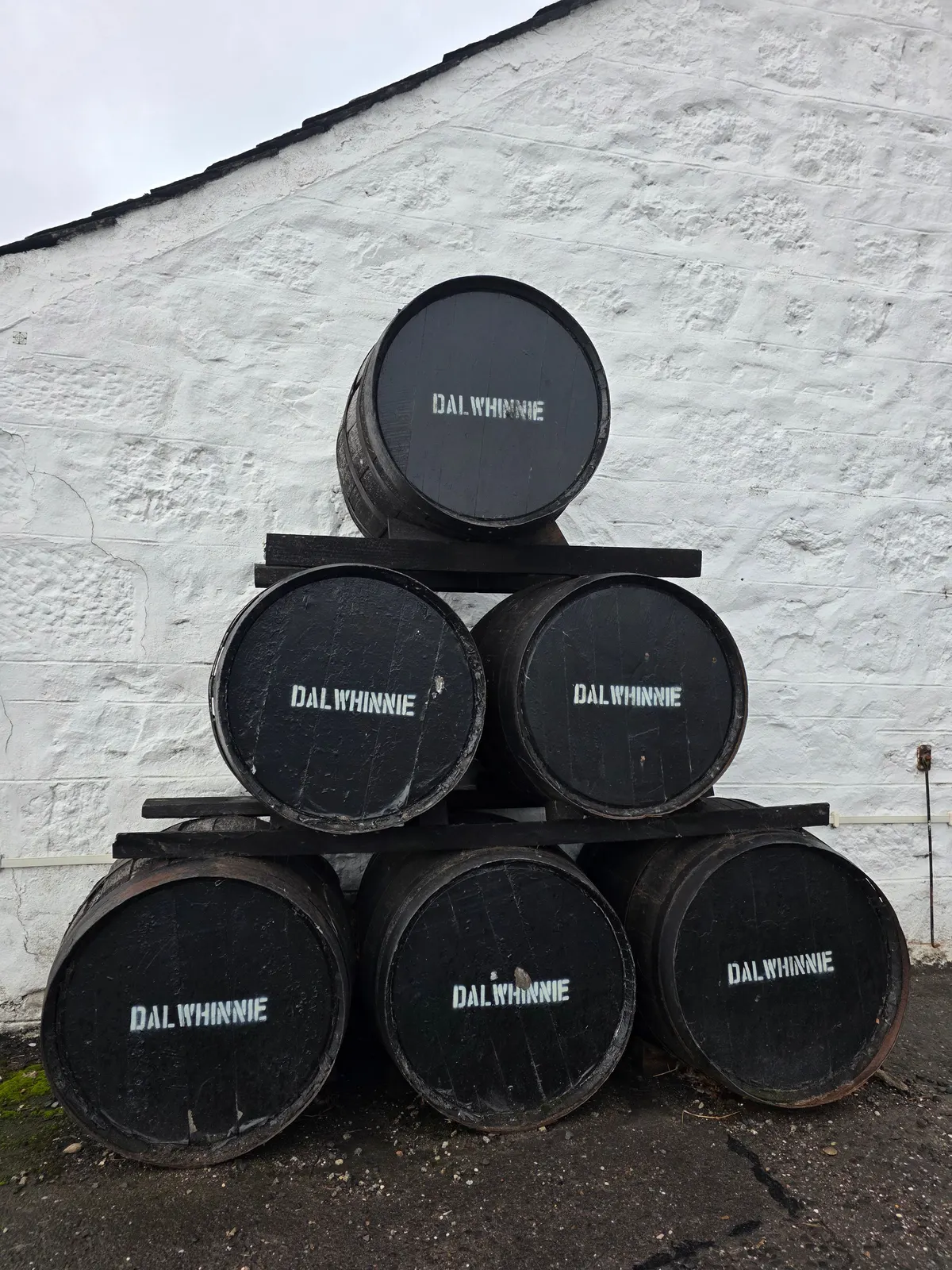
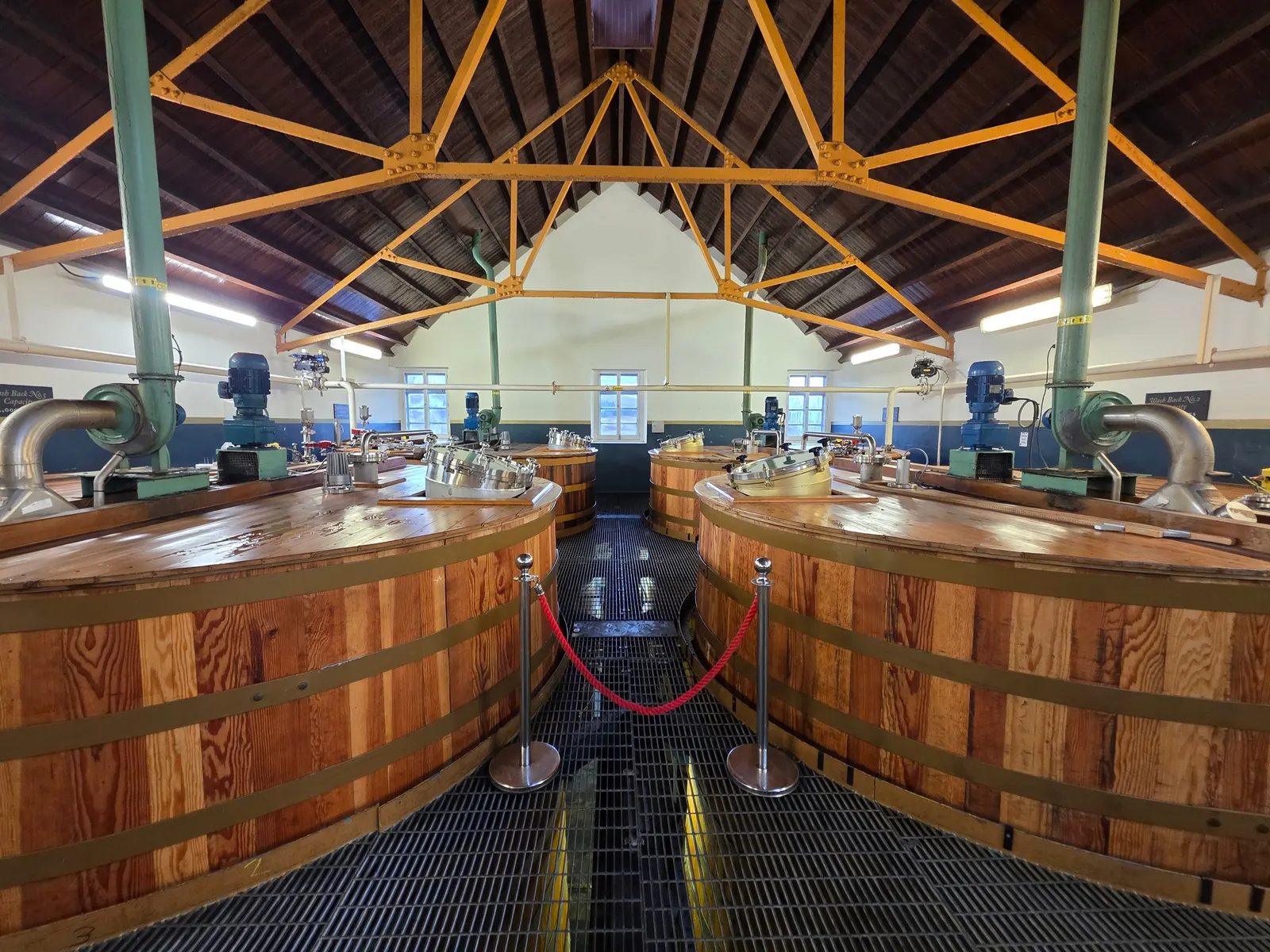
Cask pyramid outside DalwhinnieThe Dalwhinnie washback hallStill at DalwhinnieCask 1127, filled in 1960 — one of the oldest in the warehouse

Aberfeldy (Dewar's)

Southern HighlandsFounded 1896

Aberfeldy was built in 1896–1898 by John Dewar & Sons as the permanent home for their fast-growing blend, and that bond was never cut: the visitor centre is officially Dewar's Aberfeldy Distillery and tells the story of the blend as much as the single malt. The production water comes from the Pitilie Burn, a stream once panned for gold.

'Years in oak' — maturation visualised at AberfeldyThe stone warehouses at Aberfeldy

Lindores Abbey

Lowlands (Fife)Founded 2017

Lindores Abbey in Newburgh is where the written history of Scotch begins: the 1494 record of Friar John Cor and his eight bolls of malt 'to make aqua vitae for the King' is the oldest known written reference to whisky-making in Scotland. The abbey itself, founded in 1191 by Tironensian monks, lies in ruins; since 2017 the McKenzie Smith family has been distilling there again, literally beside the old walls.

The new distillery was deliberately built light and open: from the still hall you look through glass walls onto the abbey ruin and the orchard — where the monks once grew fruit, and where apples and plums grow again today.

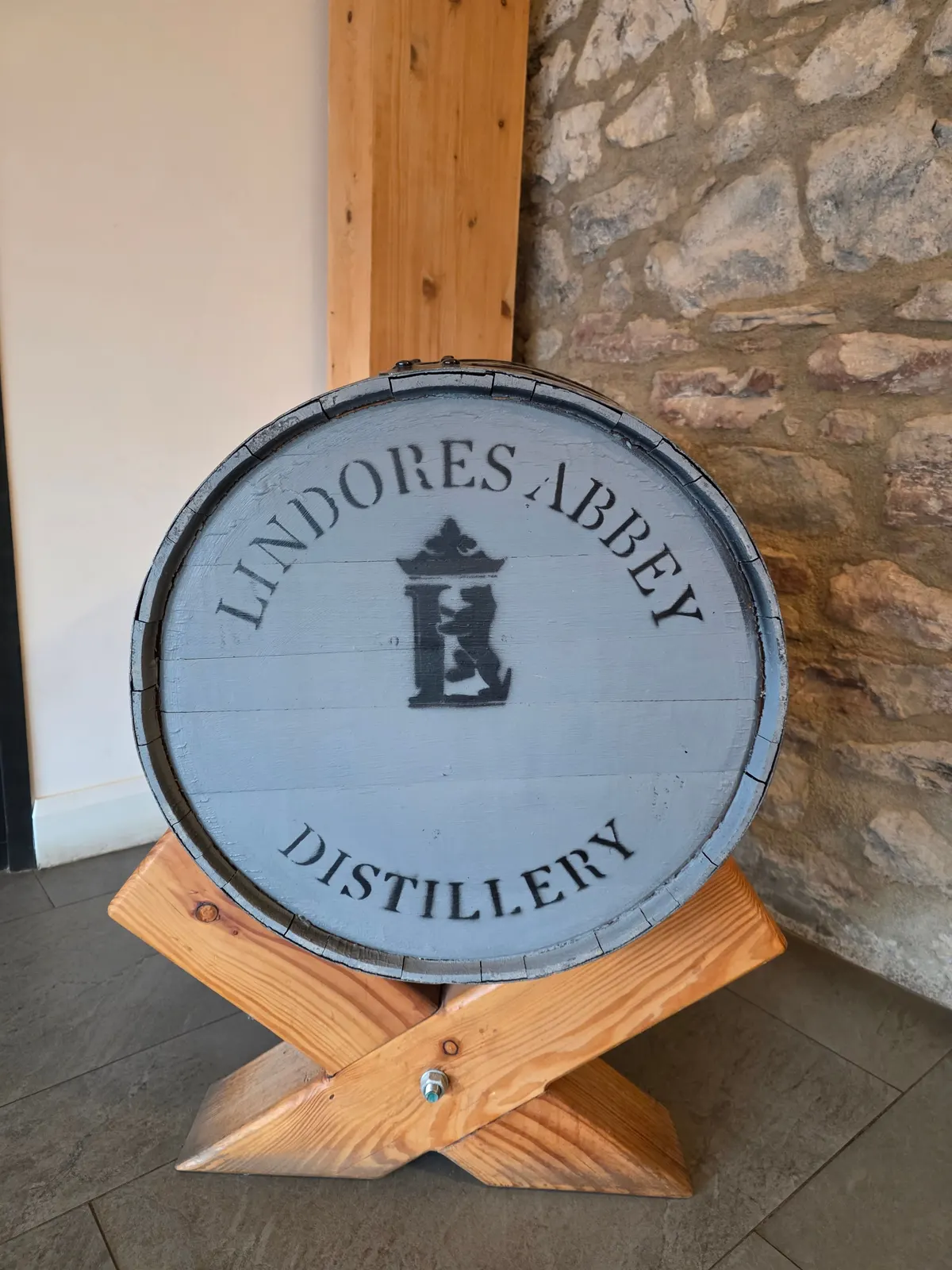
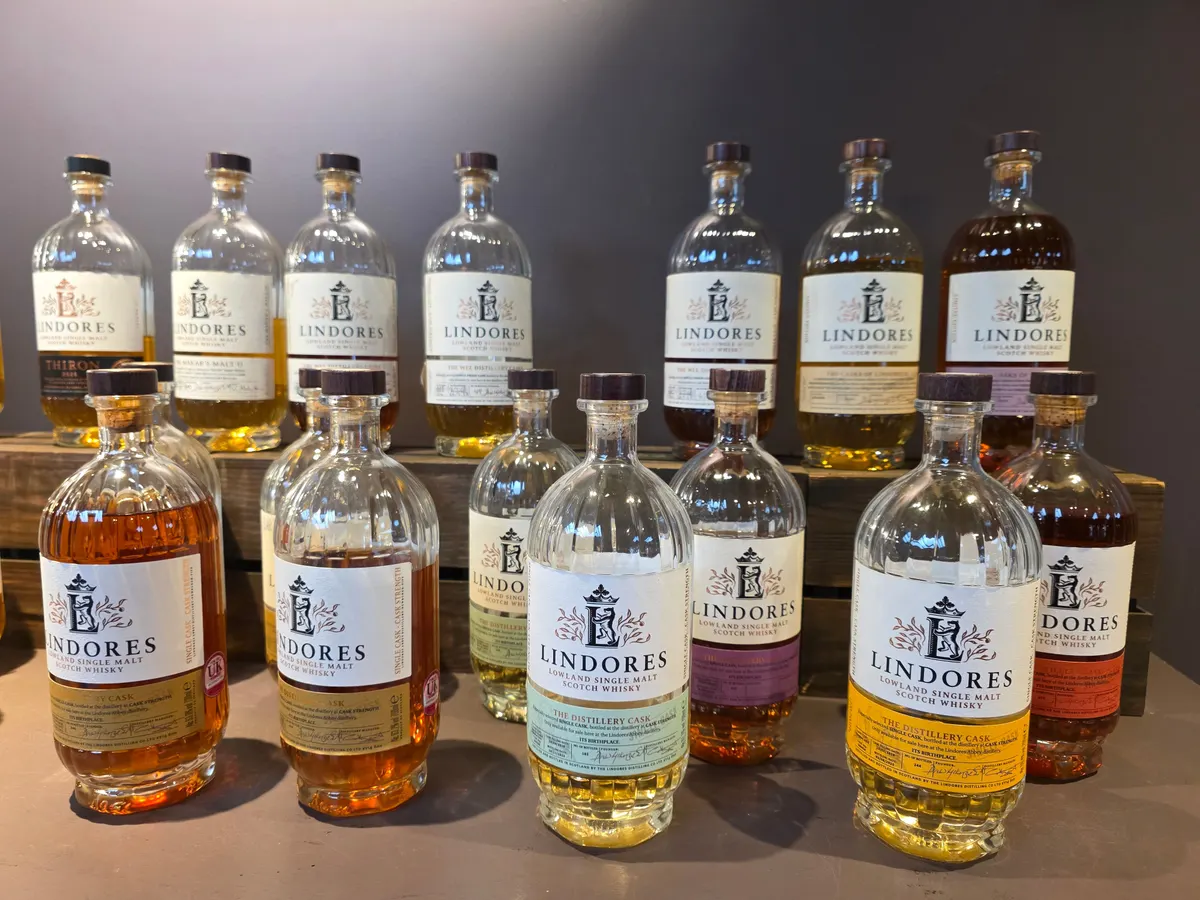
Cask head from Lindores Abbey DistilleryWooden washbacks beneath the roof frame, Lindores AbbeyThe stills at Lindores AbbeyThe new generation's first casks, Lindores AbbeyThe Lindores Abbey rangeThe modern distillery buildings at Lindores Abbey

Daftmill

Lowlands (Fife)Founded 2005

Not open to visitors — seen from the road only

Daftmill is not a distillery with a farm attached, but a farm with a distillery inside it. Francis Cuthbert, the owner, is first and foremost a farmer; in 2005 he distilled his first spirit in the old steading of the family farm near Cupar, using barley from his own land. He makes whisky only twice a year, in the quiet periods of the farming calendar: a couple of months in summer and a couple in winter. Those seasons also give the releases their names — 'Summer Batch' and 'Winter Batch'.

That approach has made Daftmill one of Scotland's smallest and most sought-after names. The first bottles only appeared in 2018, thirteen years after the first distillation: the Cuthberts simply waited until the whisky was ready. Every release is tiny, arrives without fanfare and is gone at once.

The closed gate at the entrance to Daftmill Farm, FifeDaftmill seen from across the fields, the Fife hills behind

Bottles connected to this trip

From our collection: bottlings from visited distilleries or the same regions.

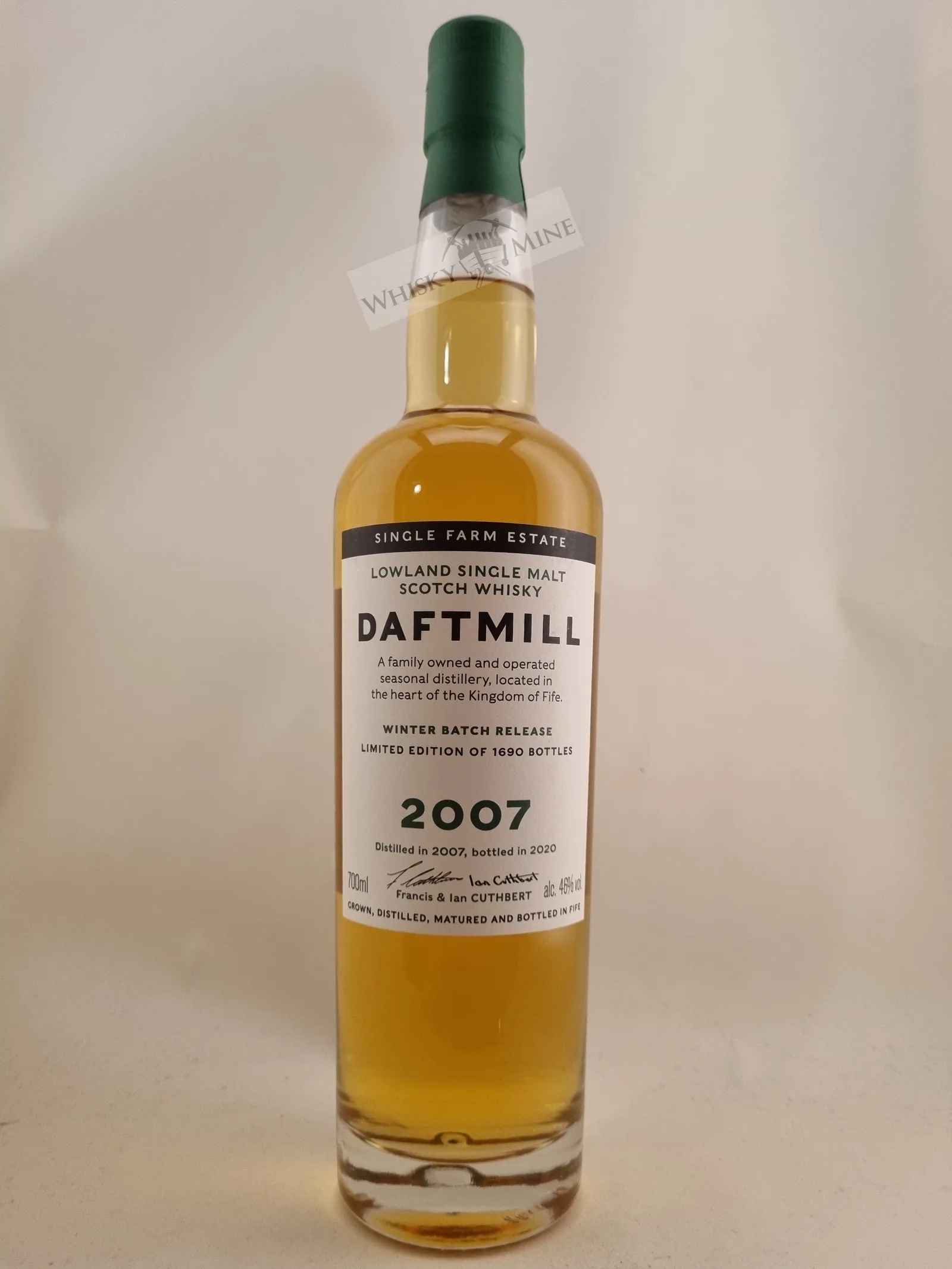
Daftmill 2007 Winter Batch 46% 70cl

Lowlands · 12 years

Daftmill 2007 Winter Batch 46% 70cl

46% · 70 cl

€225.00In stock
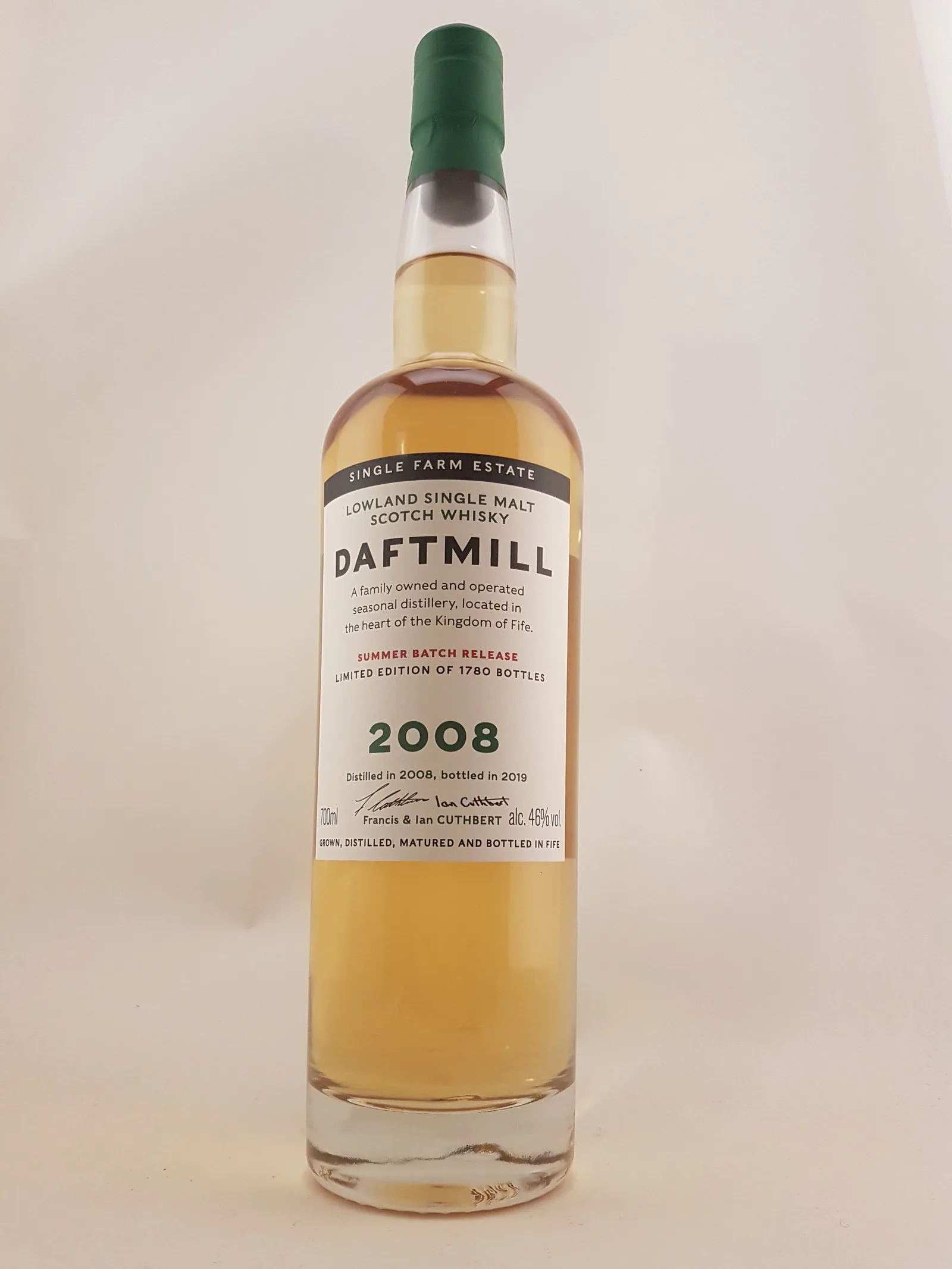
Fles Daftmill 2008 Summer Batch Lowlands Single Malt Scotch Whisky – 46% vol, 70 cl.

Lowlands · 11 years

Daftmill 2008 Summer Batch 46% 70cl

46% · 70 cl

€250.00Last bottles
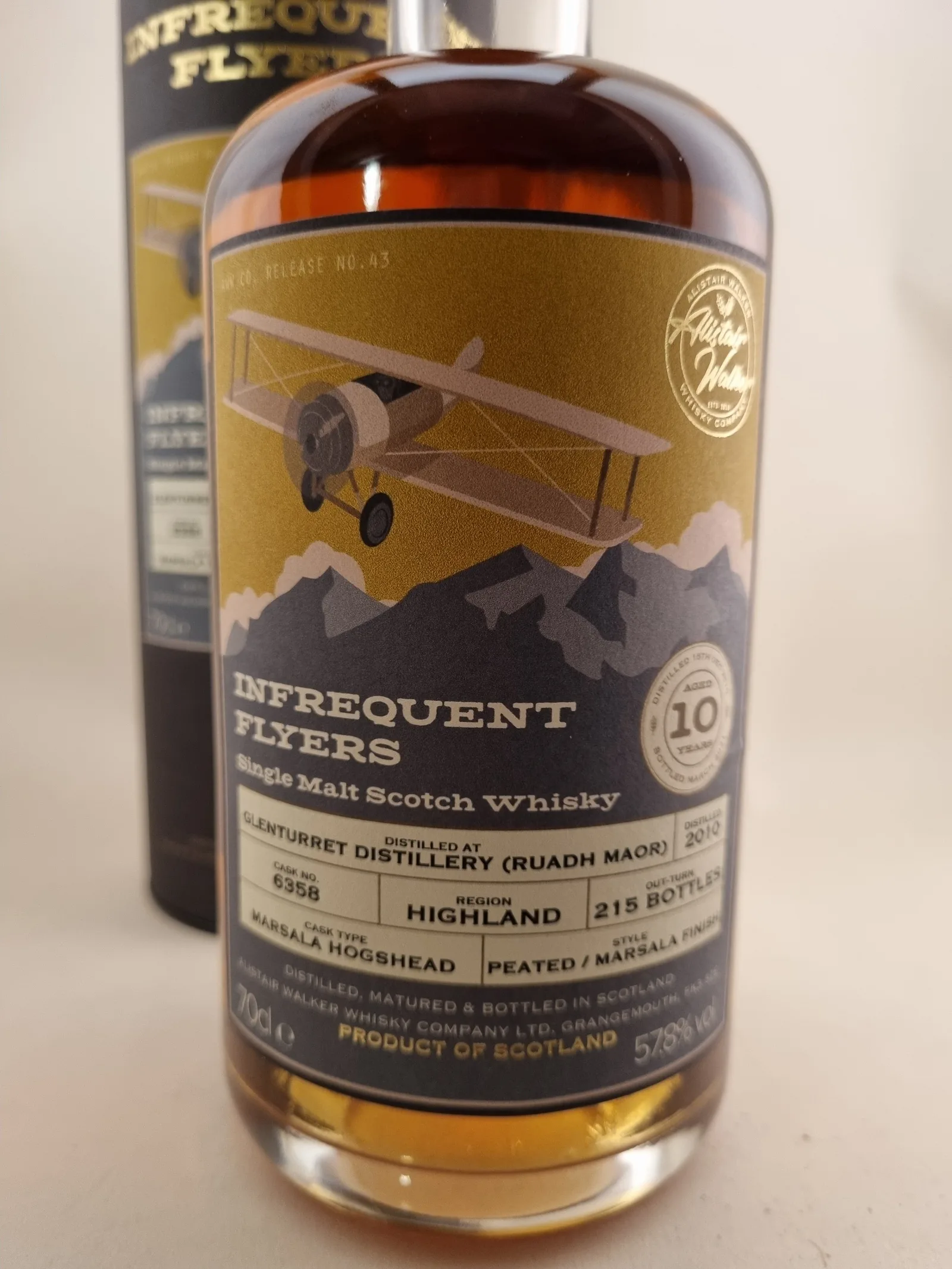
Glenturret (ruadh mhor) 2010 IF 57.8 % 70cl

Highlands · 10 years

Glenturret (ruadh mhor) 2010 IF 57.8 % 70cl

57.8% · 70 cl · Glenturret

€95.00Last bottles

Practical tips

Pitlochry as a base

Compact, walkable, with Blair Athol within strolling distance of the centre. Dalwhinnie, Aberfeldy and Glenturret are each under an hour's drive — and the town itself has plenty of pubs and restaurants for the evenings.

Check in advance whether you can go in

Not every distillery still takes visitors. Edradour's visitor centre has closed for good, and elsewhere tours can be limited out of season too. So check their website beforehand — or simply enjoy the outside, as we did.

Combine Highland and Lowland

Perthshire and Fife are closer together than the whisky-region map suggests: Pitlochry to Lindores Abbey is barely an hour. That way you taste two regional styles — and five centuries of history — in a single trip.

Leave room in your suitcase

Distillery exclusives like a cask-strength Blair Athol can't be found back home — budget for at least one bottle per stop and wrap them in clothes or bubble wrap in the hold luggage.